
• Store
  • Forums
  • Login/Register
Tide Bandits
  • Fishing
    • Tips
    • Reviews
    • Reels Reviews
    • Tackle Reviews
  • Boating
    • Boat Maintenance
    • Buyers Guide
    • Electronics Review
    • Kayaks
  • Gear
  • News
    • Tackle News
    • Industry News
    • Icast News
    • Tournament News
  • Giveaways
  • Travel
  • Conservation
  • Adrift

Archives

  • October 2026
  • September 2026
  • August 2026
  • July 2026
  • June 2026
  • May 2026
  • April 2026
  • March 2026
  • February 2026
  • January 2026
  • December 2025
  • November 2025
  • October 2025
  • August 2025
  • July 2025
  • June 2025
  • May 2025
  • April 2025
  • March 2025
  • February 2025
  • January 2025
  • December 2024
  • November 2024
  • October 2024
  • September 2024
  • August 2024
  • July 2024
  • June 2024
  • May 2024
  • April 2024
  • March 2024
  • February 2024

Categories

  • Adrift
  • Boat Maintenance
  • Boating
  • Buyers Guide
  • Captains
  • Conservation
  • Creators & Innovators
  • Electronics Review
  • Fishing
  • Gear
  • Giveaways
  • Icast News
  • Industry News
  • Kayaks
  • Locations
  • News
  • Reels Reviews
  • Reviews
  • Tackle Guide
  • Tackle Reviews
  • Tips
  • Travel
  • Uncategorized
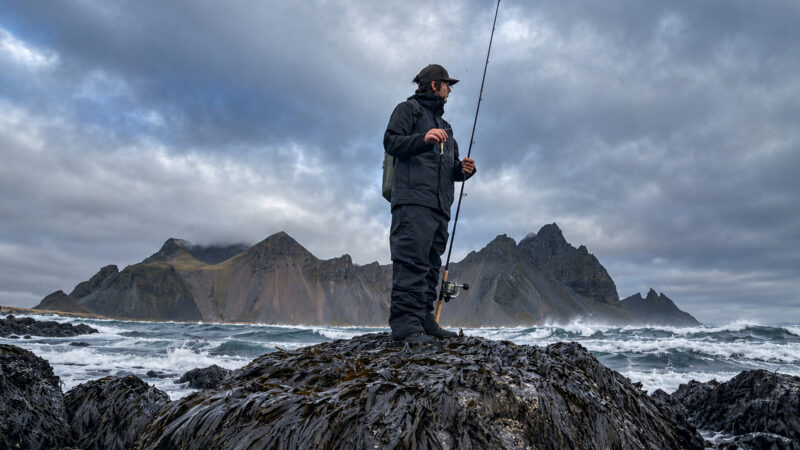
St. Croix Avid Trek Goes to Iceland

St. Croix Avid Trek Goes to Iceland

  • October 24, 2026
  • Tide Bandits

Fire, Ice, and One Badass Fishing Rod Some people go to Iceland to soak in
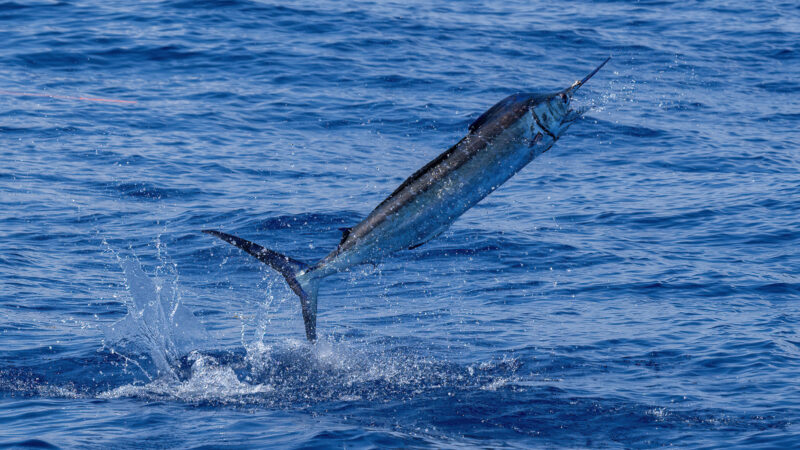
South Padre Island’s offshore FADs produced six blue marlin, two whites and a sailfish in one day—revealing one of America’s best-kept secrets.

Texas’ Best-Kept Secret

  • September 2, 2026
  • Tide Bandits

Blue Marlin off South Padre Island Fifty miles off the Texas coast, a lightly pressured
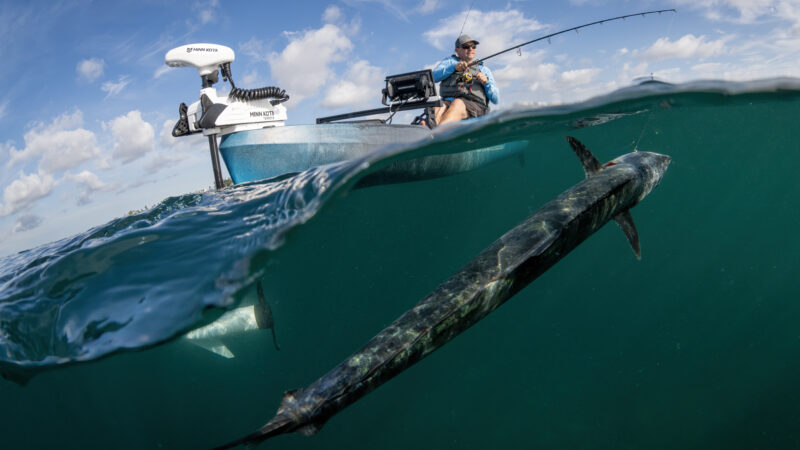
Old Town Sportsman 120 PRO

The New Old Town Sportsman 120 PRO

  • July 9, 2026
  • Tide Bandits

The New Old Town Sportsman 120 PRO Doesn’t Ask Permission. It Just Gets After It.
Captain Bob Cook Gloucester, MA.

Captain Bob Cook Gloucester, MA.

  • June 5, 2026
  • Tide Bandits

A Lifetime Chasing Giants Off Gloucester For many people, Captain Bob Cook is a familiar
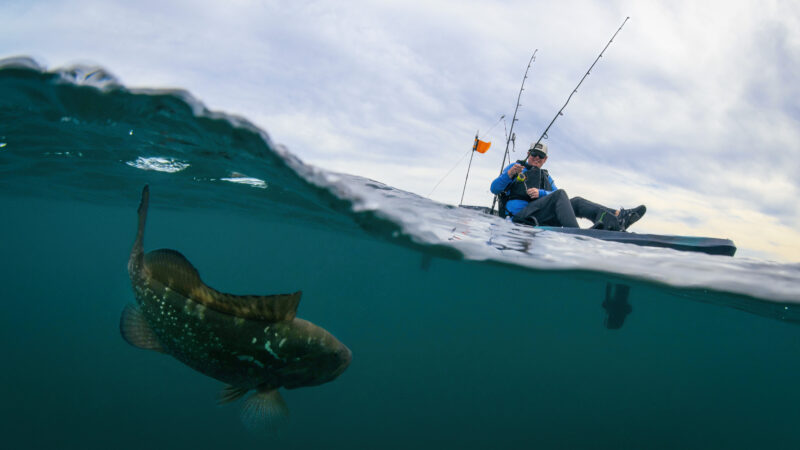
Old Town ePDL Retrofit Drive

The Old Town ePDL Retrofit Drive

  • March 7, 2026
  • Tide Bandits

Turning Your Pedal Kayak Into an Electric Fishing Machine There’s something pure about pedal-drive kayak
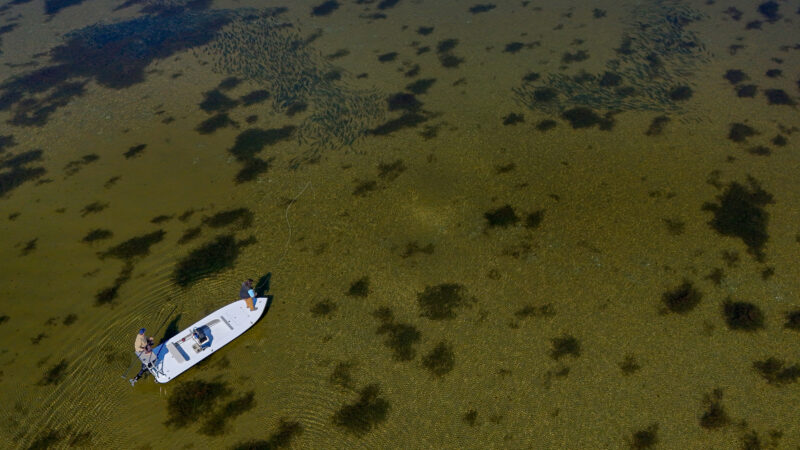
striped bass fishing Quebec

THE HIDDEN STRIPED BASS FRONTIER OF QUEBEC

  • November 18, 2025
  • Tide Bandits

CHASING GHOSTS IN THE NORTH There are trips you plan, and then there are the

fishing panama city florida

PANAMA CITY BEACH UNCAGED: REDFISH, REEF DONKEYS, AND GULF MADNESS

  • October 10, 2025
  • Tide Bandits

From tailing reds to offshore bruisers — this Panhandle port is built for the bold.

costa-king-tide-sunglasses-water-test

COSTA KING TIDE: REVIEW

  • October 9, 2025
  • Tide Bandits

  BUILT FOR HELL AND SALTWATER There are sunglasses, and then there’s gear. And make no
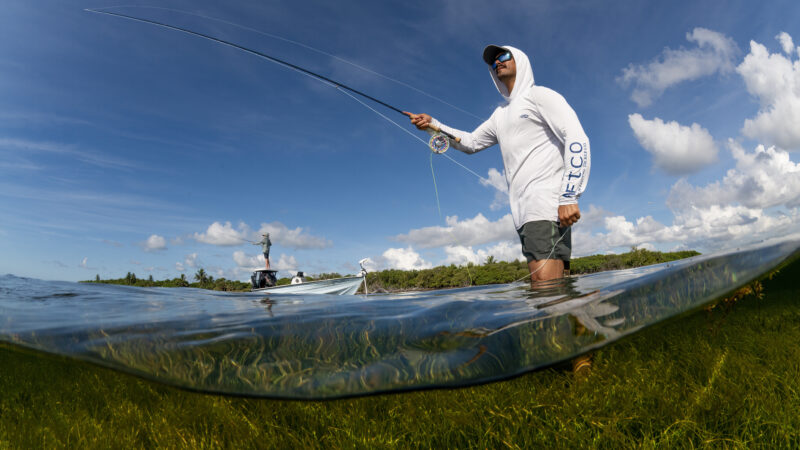
St. Croix Fly 2026: American-Built, Fish-Smashing Weapons of Precision

St. Croix Fly Rods for 2026

  • July 23, 2025
  • Tide Bandits

St. Croix Fly 2026: American-Built, Fish-Smashing Weapons of Precision In a sea of fly rods
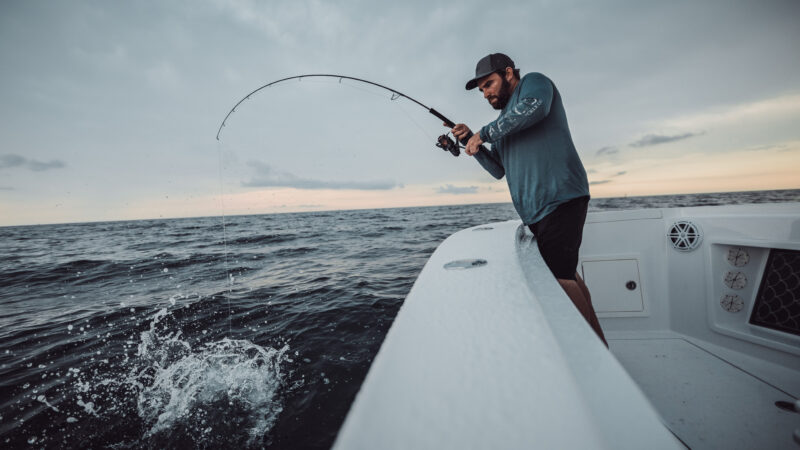
St. Croix ROGUE V Rods: Born for Battle. Built to Dominate.

St. Croix ROGUE V Rods

  • July 18, 2025
  • Tide Bandits

The Next-Level Weapons for Saltwater War When you fish saltwater, you learn fast: it’s not
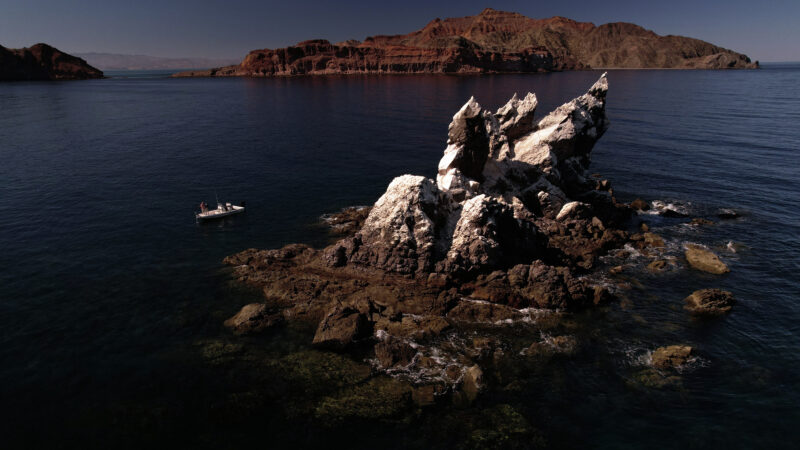
Baja Bound for Big Fish: An Adventure to Gonzaga Bay

An Adventure to Gonzaga Bay

  • April 24, 2025
  • Tide Bandits

Baja Bound for Big Fish By Jason Arnold Crossing into Baja California We set out

The Art of Big Game Custom Rod Building with AFTCO Components

The Art of Big Game Custom Rod Building

  • April 3, 2025
  • Tide Bandits

The Art of Big Game Custom Rod Building Custom rod building is more than just

AFTCO Titan Landing Net

AFTCO Titan Landing Net

  • February 26, 2025
  • Tide Bandits

AFTCO Titan Landing Net AFTCO has introduced the Titan Landing Net, a premium addition to

Fishing Cap Cana

CAP CANA FAD FISHING

  • November 23, 2024
  • Tide Bandits

The Dominican Republic: Imagine the thrill of reeling in a massive blue marlin as the

MinnKota Riptide Terrova Quest Trolling Motor

OVERVIEW MinnKota Riptide Terrova Quest Trolling Motor

  • September 21, 2024
  • Tide Bandits

The Minn Kota Riptide Terrova Quest Trolling Motor is the ultimate companion for serious anglers,

carter andrews fishing Tofino

Tofino: A Coastal Gem on Vancouver Island

  • August 15, 2024
  • Tide Bandits

  Nestled on the central coast of Vancouver Island, Tofino, British Columbia, is a place

Walkers Cay, Bahamas. Tales of Reopening and Resilience

Walkers Cay, Bahamas. Tales of Reopening and Resilience

  • June 12, 2024
  • Tide Bandits

Walker’s Cay Bahamas: A Tale of Reopening and Resilience Nestled in the azure embrace of

Humminbird APEX Series Overview with Captain Justin Leake

Humminbird APEX Series Overview with Captain Justin Leake

  • June 11, 2024
  • Tide Bandits

The new Humminbird APEX™ Series provides the clearest sonar imaging on the sharpest multi-function display
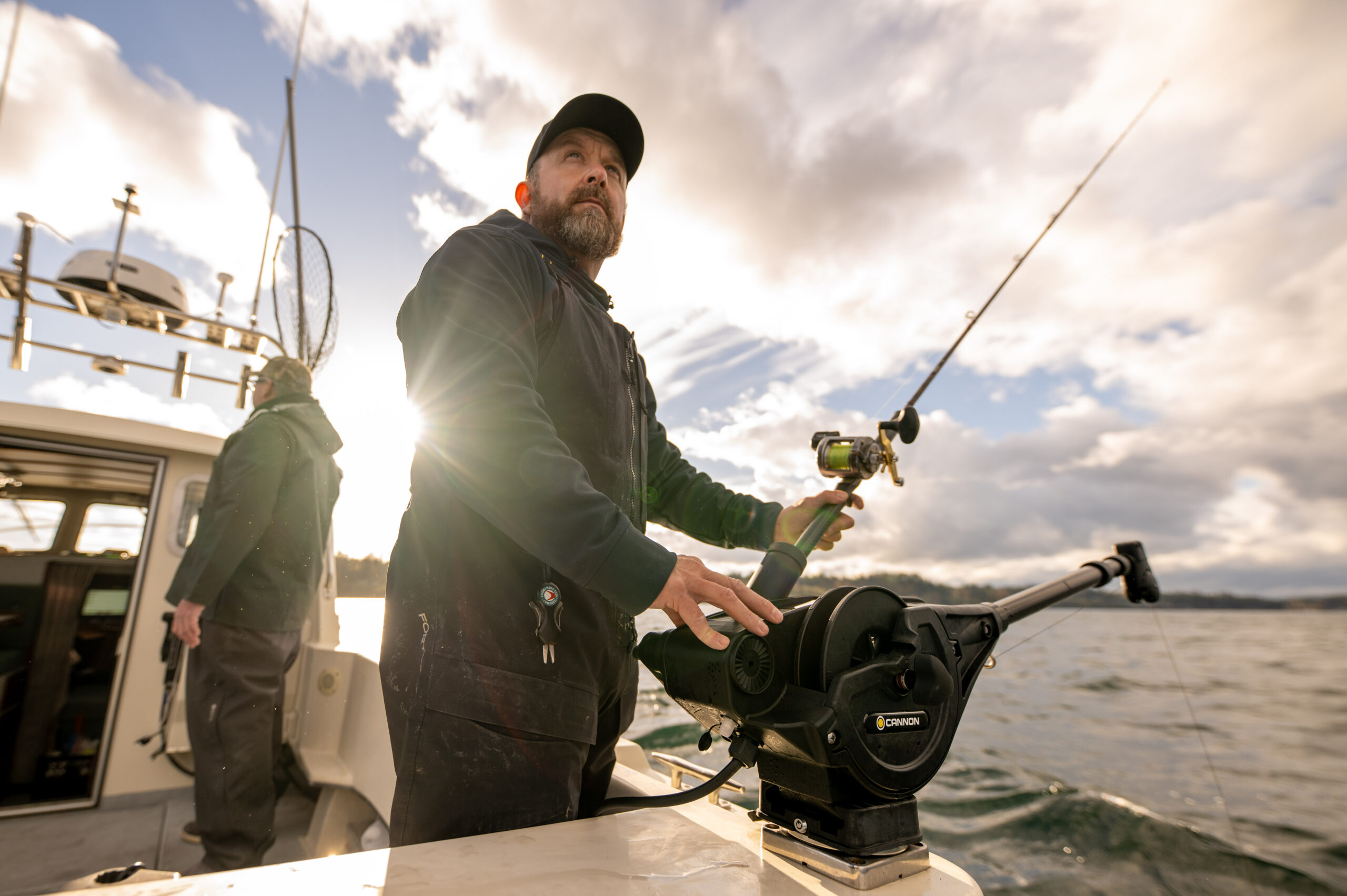
Cannon Optimum Downrigger: A Beast Built for Precision

Cannon Optimum BEAST MODE!

  • October 30, 2026
  • Tide Bandits

The Beast That Brings Brains to the Spread There is a difference between dragging a
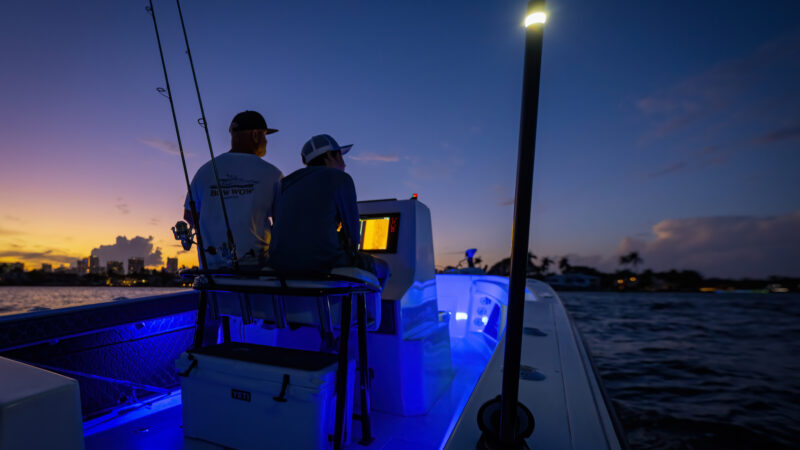
Scanstrut Navlight

Scanstrut Navlight REVIEW!

  • October 25, 2026
  • Tide Bandits

Finally, Somebody Declared War on the Green Crust Wireless power. A removable navigation light. One
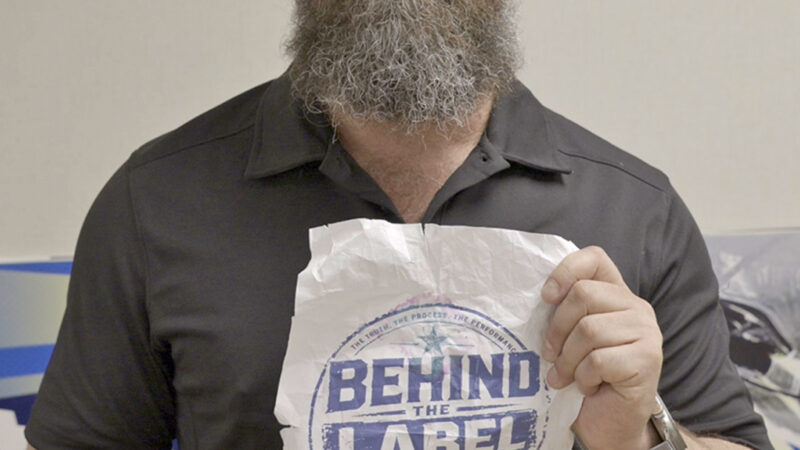
Behind the Label with Star brite

Behind the Label with Star brite

  • October 5, 2026
  • Tide Bandits

By Jason Arnold | Tide Bandits Boats have a special talent for getting filthy. You
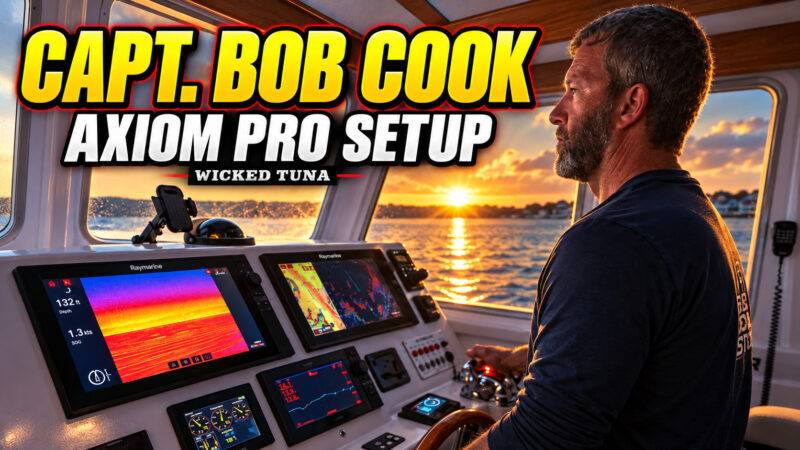
Inside a Wicked Tuna Captain’s Raymarine Axiom Pro Setup

Captain Bob Cook Raymarine Axiom Pro setup

  • September 19, 2026
  • Tide Bandits

When Captain Bob Cook leaves Gloucester Harbor aboard the Fat Tuna, his electronics aren’t there
South Texas blue marlin satellite tagging

Tracking Blue Marlin in the Western Gulf

  • September 10, 2026
  • Tide Bandits

By Jason Arnold  |  TideBandits.com Fifty Miles Out and Looking for Answers Fifty miles off
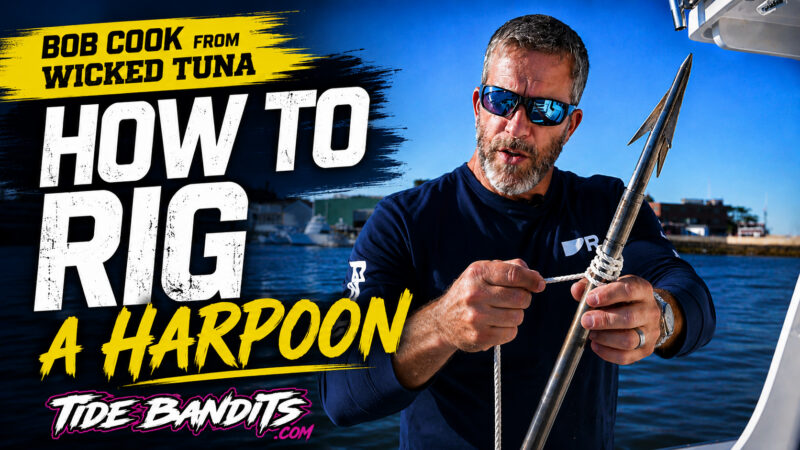
How to Set Up a Tuna Harpoon with Captain Bob Cook of Wicked Tuna When it comes to giant bluefin tuna, every detail matters—and that starts long before the fish is boatside. In our latest Tide Bandits video, Captain Bob Cook, one of the most respected captains in offshore fishing and a familiar face from Wicked Tuna, walks viewers through the proper way to set up a tuna harpoon. Drawing on decades of experience, Captain Cook explains the gear, rigging, and preparation that help ensure everything is ready when the opportunity presents itself. A harpoon is one of the most iconic tools in traditional bluefin tuna fishing, but it's also a piece of equipment that demands proper setup and attention to detail. In this instructional video, Captain Cook breaks down the components of his system and shares practical advice that both experienced offshore anglers and those new to tuna fishing can appreciate. Whether you're chasing giant bluefin in the Northeast, running offshore for pelagics, or simply interested in learning from one of the sport's most respected professionals, this video offers valuable insight into a technique that has been refined over generations. What You'll Learn How to properly set up a tuna harpoon The essential components of a professional harpoon system Tips for organizing your gear before the bite happens Practical advice from Captain Bob Cook Why preparation is critical when targeting giant bluefin tuna One thing separates successful offshore crews from everyone else: preparation. When a giant tuna appears behind the boat, there's no time to figure out your equipment. Every line, rope, and connection has to be ready before the opportunity arrives. That's exactly why videos like this are so valuable. At Tide Bandits, we're committed to bringing you authentic fishing knowledge from anglers who have spent their lives on the water. Captain Bob Cook's willingness to share his experience is a perfect example of the kind of educational content we're proud to feature. Watch the full video below and take your offshore knowledge to the next level. Have questions about tuna fishing or harpoon gear? Leave a comment and join the conversation with the Tide Bandits community.
Tuna Harpoon with Captain Bob Cook of Wicked Tuna

  • August 3, 2026
  • Tide Bandits

How to Set Up a Tuna Harpoon When it comes to giant bluefin tuna, every

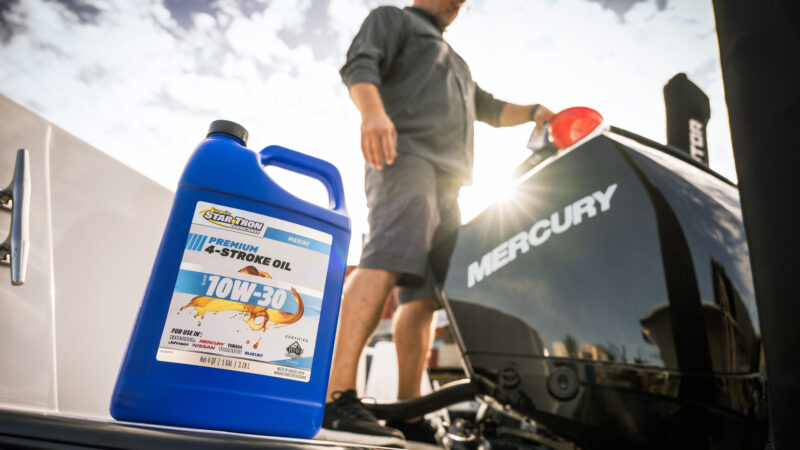
Star brite Star Tron Premium Four-Stroke Marine Oil

Star brite Star Tron Premium Four-Stroke Marine Oil

  • July 14, 2026
  • Tide Bandits

The Unsung Hero Behind Every Great Day on the Water When anglers talk about preparing
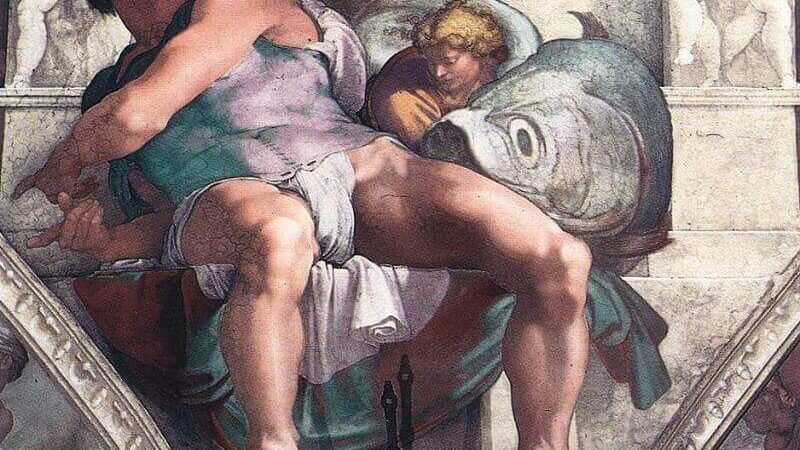
The Sistine Chapel Tarpon: How the Silver King May Have Found Its Way Into One of the Greatest Paintings in History For most anglers, a tarpon is more than just another fish. It's the fish. The Silver King has an almost mythical reputation, inspiring generations of fishermen to chase explosive jumps, blistering runs, and unforgettable moments that become stories for the rest of their lives. Artists have tried to capture that magic for centuries. Walk through any tackle shop or coastal lodge and you'll find paintings of giant tarpon erupting from emerald water, chrome scales reflecting the sun as they throw spray in every direction. Yet the most famous painting of a tarpon may not hang in a fishing lodge or a museum dedicated to wildlife art. It may be staring down at millions of visitors from the ceiling of the Sistine Chapel in Vatican City. The first time you walk into the Sistine Chapel, it's impossible not to feel overwhelmed. The room itself is almost beyond description. Every square inch is covered in some of the greatest artwork ever created, and your eyes instinctively dart from one masterpiece to another. Most visitors immediately search for Michelangelo's famous Creation of Adam, but anglers have a habit of noticing things that other people miss. Hidden among the biblical scenes is Michelangelo's depiction of Jonah and the Great Fish. At first glance it appears to be just another religious painting, but the longer you study the creature beside Jonah, the more familiar it becomes. The large eye, the heavy upward-facing jaw, the broad silver body, and even the shape of its fins all bear a striking resemblance to one of the most recognizable fish in the ocean—the Atlantic tarpon. Standing beneath that ceiling, it's hard not to ask yourself a question that has fascinated both anglers and historians for years: How did Michelangelo know what a tarpon looked like more than 500 years ago? Between 1508 and 1512, Michelangelo spent four extraordinary years painting the ceiling of the Sistine Chapel after being commissioned by Pope Julius II. The work would become one of the defining artistic achievements in human history, but hidden within those incredible frescoes lies one of fishing's greatest mysteries. Modern retellings of the biblical story often refer to Jonah and the whale, but the earliest translations never mention a whale at all. Instead, they describe Jonah being swallowed by a "great fish." That seemingly minor detail opens the door to an entirely different interpretation. If Michelangelo wasn't trying to paint a whale, then what fish was he trying to depict? To many anglers, the answer appears surprisingly obvious. The resemblance to a tarpon is difficult to ignore, yet there is one major problem with that theory. Tarpon don't belong in Italy. Today, Atlantic tarpon exist in two major populations. The fish most fishermen are familiar with inhabit the western Atlantic, ranging from the Carolinas through Florida, the Gulf of Mexico, the Caribbean, Central America, and all the way to Brazil. A second population lives thousands of miles away along the western coast of Africa, stretching from Senegal south toward the Congo. Historical records show virtually no evidence that tarpon were ever native to the Mediterranean Sea, making it highly unlikely that Michelangelo simply wandered down to a local fish market and found one lying on the dock. While a stray tarpon was reportedly caught off Portugal decades ago, isolated occurrences are hardly enough to explain such an accurate depiction by an artist who never traveled beyond Europe. So where did the inspiration come from? The most convincing explanation begins not in Italy, but along the wild Atlantic coastline of Africa. During the late 1400s and early 1500s, Portuguese explorers were pushing farther south than ever before, opening new trade routes and returning to Europe with stories of lands, wildlife, and cultures that most people could scarcely imagine. These expeditions didn't just bring back spices, ivory, and gold. They also brought back incredible tales of the natural world. It's easy to imagine weathered sailors returning to port describing enormous silver fish that exploded from the water and grew larger than any fish they'd ever encountered before. Fishermen have never been known for telling small stories, and a two-hundred-pound tarpon launching itself skyward would have sounded almost mythical to Renaissance Europe. Fishing historian Norman Duncan has long supported a similar theory, suggesting that explorers and commercial fishermen traveling along Africa's west coast may have encountered Eastern Atlantic tarpon and carried those stories—or perhaps even preserved specimens—back to Italy. Artists during the Renaissance constantly studied unusual animals brought home by explorers. Lions, elephants, rhinoceroses, and countless exotic birds all appeared in European artwork despite the artists never seeing them in the wild. If Michelangelo had access to detailed sketches, descriptions, or even the preserved body of a tarpon, accurately painting one becomes far less mysterious than it first appears. Instead of imagining the fish from scripture, he may have simply used the most impressive "great fish" anyone in Europe had ever seen. What makes that theory even more compelling is that western Africa remains one of the greatest destinations on Earth for giant tarpon. In 2003, Guinea-Bissau produced the current IGFA all-tackle world record Atlantic tarpon, an astonishing fish weighing 286 pounds. That's roughly forty pounds heavier than the largest officially recorded tarpon landed in the United States. Even today, serious anglers travel halfway around the world hoping to encounter fish of that caliber. Imagine what those waters must have looked like five centuries ago, long before commercial pressure, modern development, or recreational fishing. Explorers almost certainly encountered schools of fish that would have seemed impossible to anyone back in Europe, and those stories undoubtedly spread through ports, markets, and royal courts. It isn't difficult to believe that one of history's greatest artists eventually heard those stories himself. Whether Michelangelo intentionally painted a tarpon or simply created a fish that happened to resemble one may never be answered with complete certainty. That's part of what makes the mystery so fascinating. Every angler has experienced that moment when a fish leaves just enough evidence behind to fuel endless debate. Was it really that big? Did it actually jump that high? Was it the fish of a lifetime? Fishing has always lived somewhere between fact and folklore, and perhaps that's exactly where the Sistine Chapel tarpon belongs. It's a mystery that refuses to die because every generation of anglers sees the same thing when they look at Michelangelo's masterpiece. Walking back out into the streets of Rome, surrounded by ancient architecture and thousands of years of history, it's impossible not to think about how fishing has always connected people across cultures and centuries. Long before carbon-fiber rods, braided line, and center consoles, people were captivated by extraordinary fish. The Silver King has inspired artists, explorers, storytellers, and fishermen for hundreds of years, and perhaps one of its earliest appearances has been hiding in plain sight above millions of visitors' heads all along. Most people visit the Sistine Chapel searching for Michelangelo's genius. Anglers leave wondering whether they just found one of the oldest paintings of a tarpon ever created. Maybe we'll never know the definitive answer. Maybe Michelangelo never intended to paint a tarpon at all. But if you've ever watched a hundred-pound Silver King explode from the water beneath a sunrise sky, you'll understand why so many fishermen believe that's exactly what they're looking at. Some fish are simply too magnificent to remain confined to the ocean. They find their way into stories, legends, paintings—and perhaps even onto the ceiling of one of the greatest works of art the world has ever known.

The Sistine Chapel Tarpon

  • July 14, 2026
  • Tide Bandits

How the Silver King May Have Found Its Way Into One of the Greatest Paintings

Posts pagination

1 2 3 4 … 14

About Us

Tide Bandits began as a conversation over grilled oysters and a few cold beers after a morning offshore. The idea was simple – to connect saltwater anglers from across the world to share their passion, expertise, and a few fish stories with like-minded folks. Whether it’s the late nights rigging your gear just right, or those early mornings at the marina before the sun nudges above the horizon, we’re connected by the camaraderie that can only be found at sea.

At its core, Tide Bandits is a community of avid anglers that still get excited seeing the last no wake sign before blasting offshore, who live for the ebb and flow of the tides, and who know the peace that the ocean brings just before the sun sets for the night. We welcome you to come along for the journey. Throttle down. Tabs up. Let’s make some memories.

JOIN THE CREW

Sign up for giveaways and other rad stuff.

© 2026 Tide Bandits

- Contact Us
×