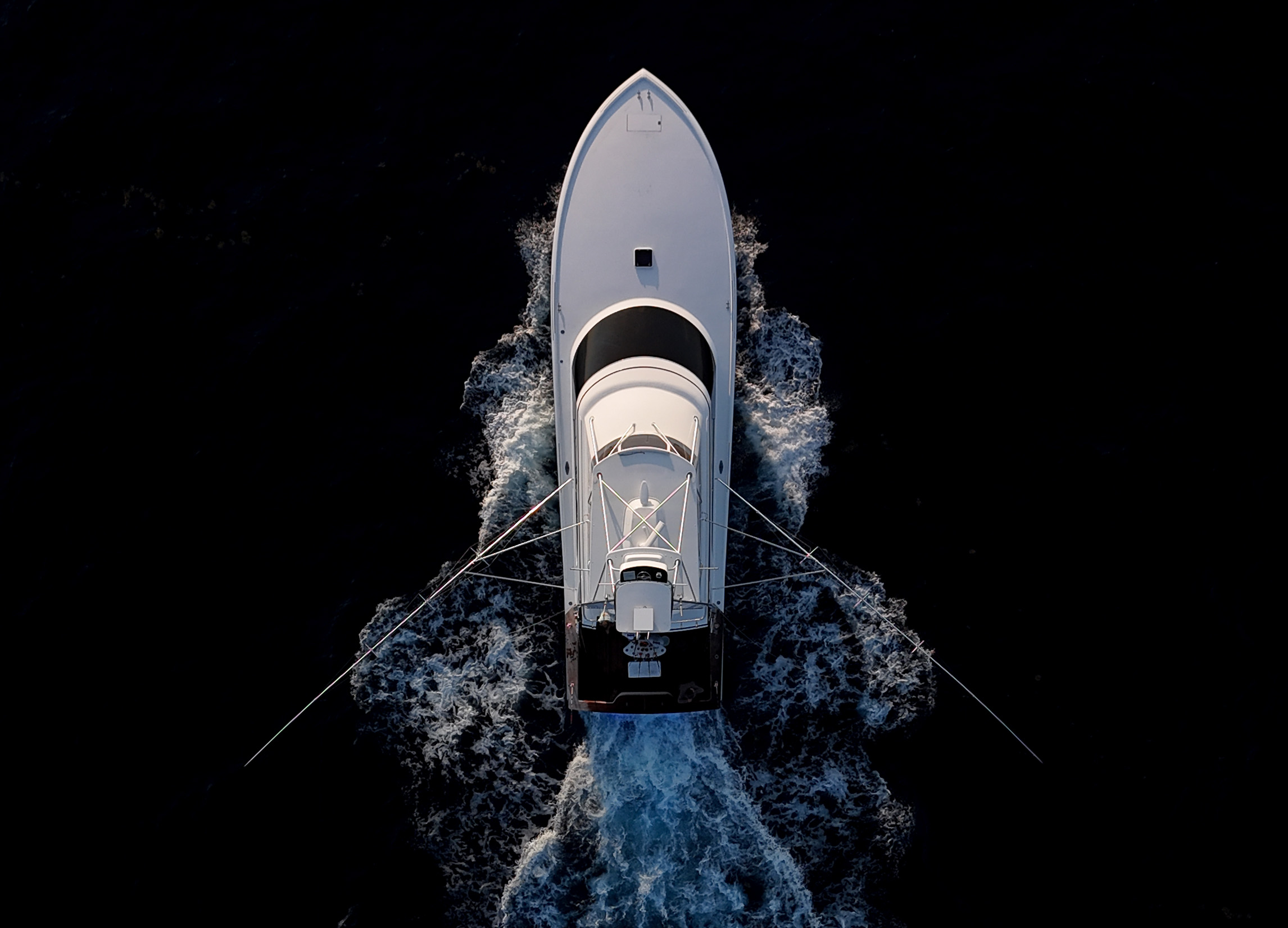

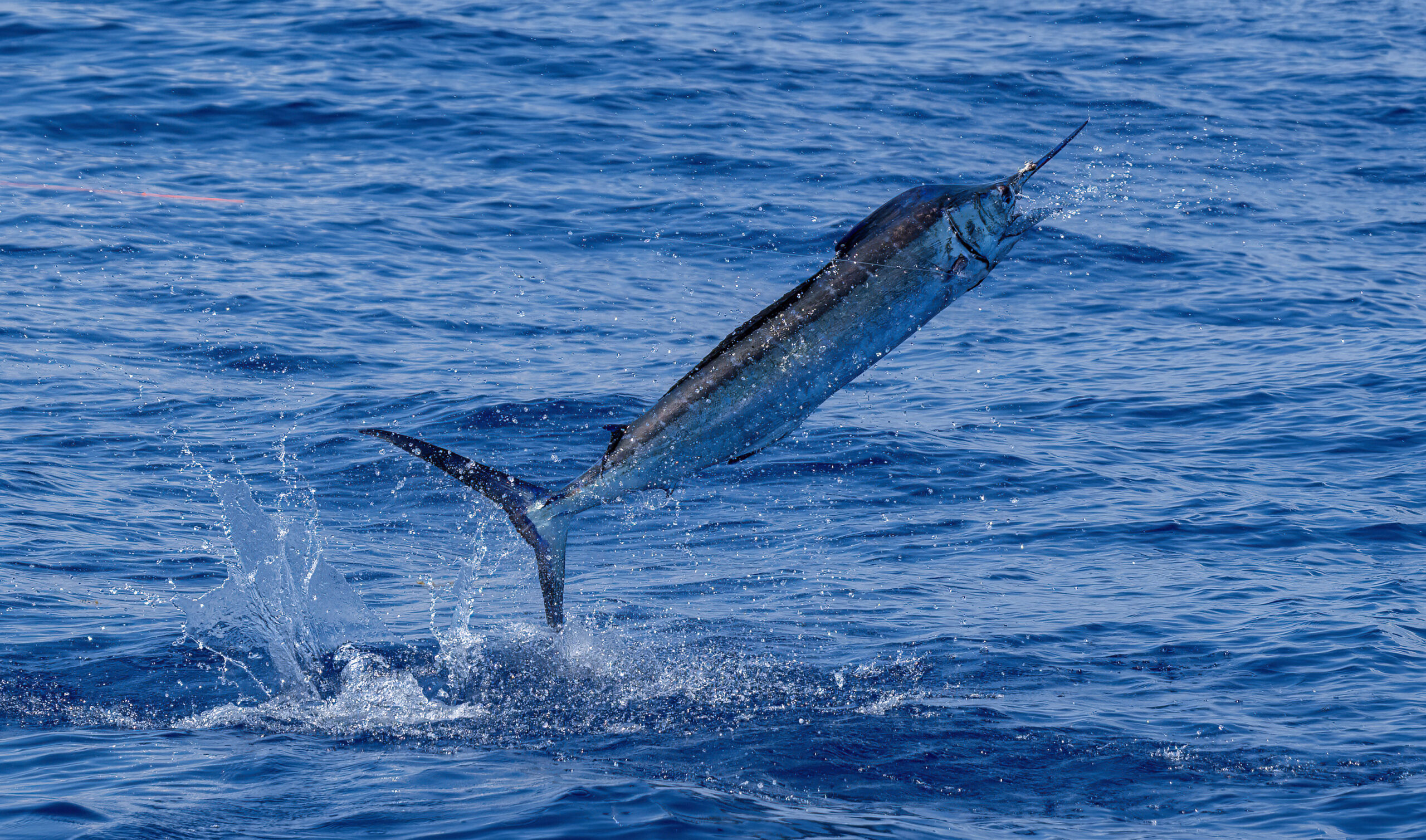
Blue Marlin off South Padre Island
Fifty miles off the Texas coast, a lightly pressured network of FADs delivered the kind of billfish action most anglers travel halfway around the world to find.
When most anglers think about Texas, blue marlin probably aren’t the first thing that comes to mind. Barbecue, deer hunting, bass fishing, giant speckled trout and red snapper? Absolutely. But world-class blue marlin fishing within striking distance of the U.S. mainland? That still catches people by surprise.
It certainly surprised Carter Andrews.
“When I think of Texas, I think of barbecue, deer hunting, bass fishing, big trout on the coast and red snapper,” Carter said. “I never thought of it as a blue marlin destination. But the more I talked to my good friend Justin Drummond, the more he was changing my mind. You might call it the best-kept secret in marlin fishing.”
I recently joined Carter on a trip to South Padre Island to see that fishery for myself. Our destination was a series of fish aggregating devices—FADs—positioned roughly 50 miles offshore in the deep, blue water of the Gulf. What we found wasn’t simply good fishing. It was the kind of two-day experience that forces you to reconsider everything you thought you knew about a destination.
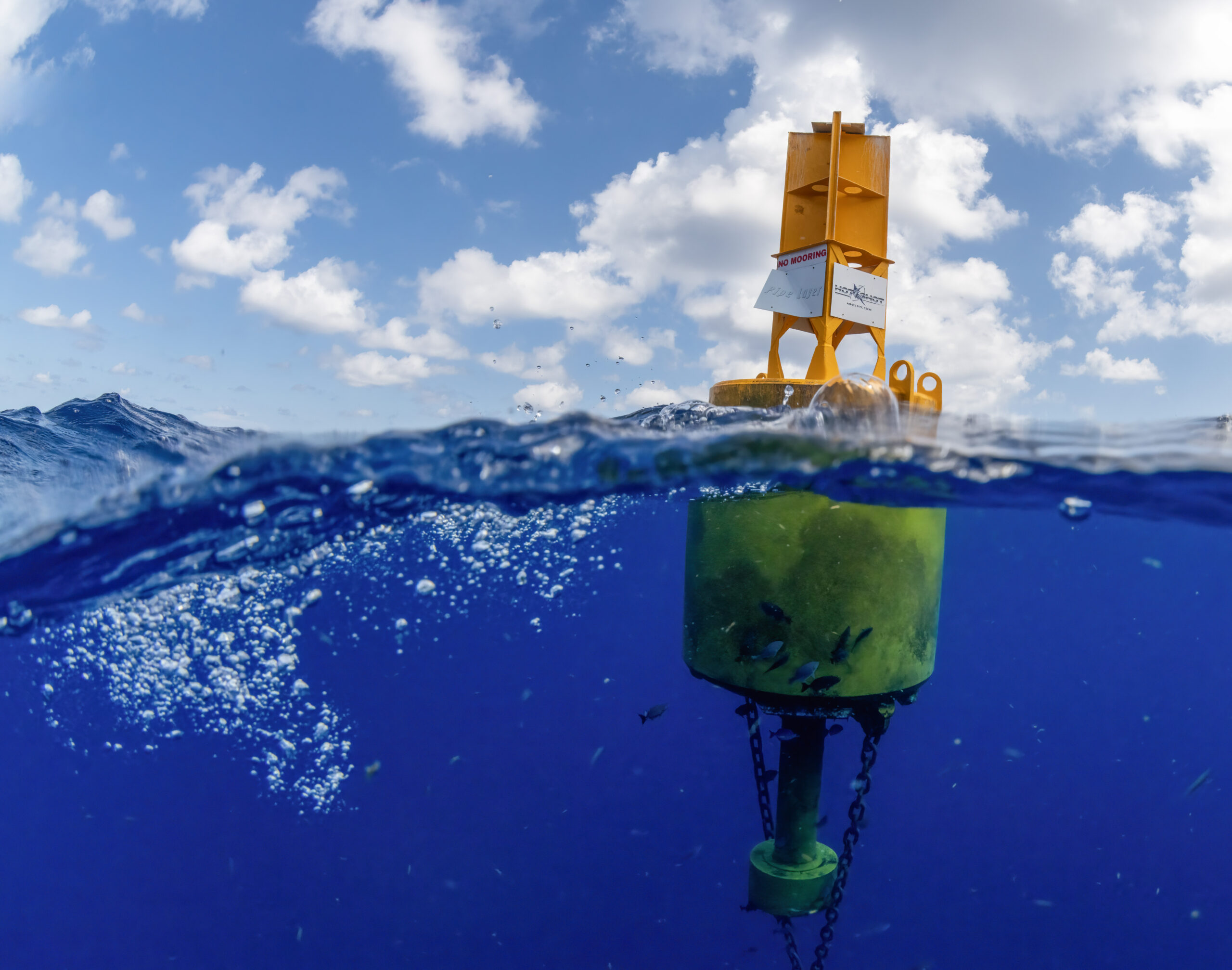
The run offshore also adds to the sense that you are discovering something hidden. The shoreline disappears, the water deepens and the familiar inshore identity of Texas falls away. By the time the spread goes in, you are no longer thinking about cattle country or shallow bays. You are in true blue-marlin water, waiting for a dark shape to materialize behind a teaser.
South Padre Island sits at the southern end of the Texas coast, practically on the Mexican border. The area has long been shaped by fishing and the shrimping industry, even if its reputation outside Texas is more closely tied to beaches and spring break. After this trip, however, there is only one thing that will come to mind when Carter and I talk about South Padre: blue marlin.
A Day That Changes Your Perspective
There is no need to exaggerate what happened on our first day offshore. The numbers say enough.
We went six for nine on blue marlin. We also caught two white marlin and a sailfish. Then there was a 75-pound wahoo, along with tuna and dolphin. It was one of those rare days when every corner of the spread felt alive and anything could happen at any moment.
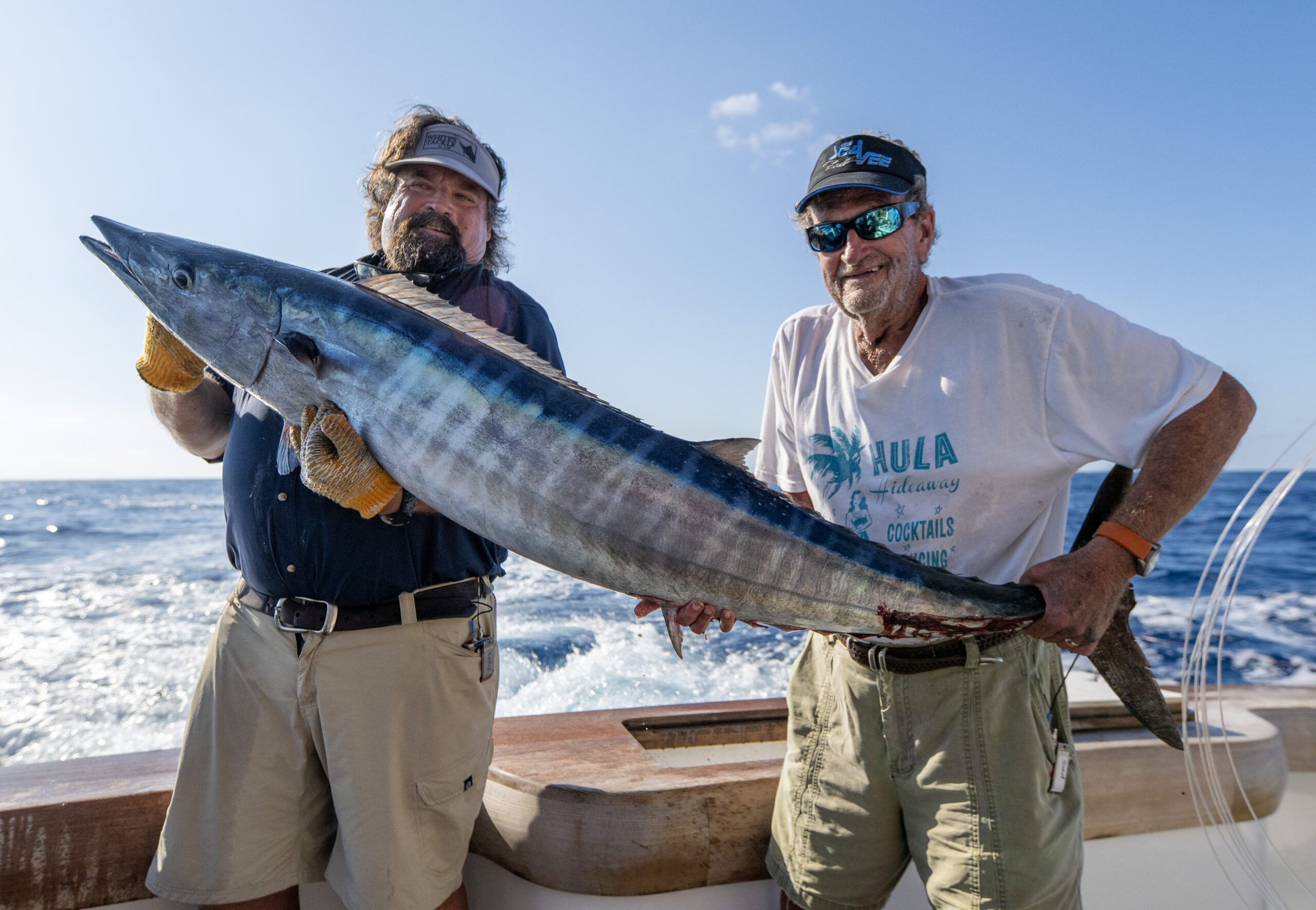
“It was a phenomenal day of fishing—as good as you could have anywhere in the world,” Carter said.
Carter had been invited aboard Quantified with Capt. Justin Drummond, his professional crew, and longtime clients Johnny Mack and Stacey Powers. The opportunity brought together people who understood exactly what this fishery could produce and had the experience to capitalize when it came alive.
Carter follows the tournament scene closely. He had heard the reports coming from Texas boats fishing around offshore oil and gas platforms, pulling dredges, live-baiting and putting together impressive catches. Those stories suggested the potential was real. Still, hearing about a bite and finding yourself in the middle of one are two completely different things.
“You hear about some really good catches,” Carter said, “but finding myself in the middle of a bite like that was really satisfying.”
Loaded for Anything
The first morning, we began beyond the edge in deep water. The water was gorgeous blue, and a subtle temperature break gave the crew a line to work. It didn’t take long. Right out of the gate, we began seeing and catching fish.
The cockpit was prepared for every possibility. A full arsenal of Shimano 20 BFC outfits carried small, carefully rigged ballyhoo in the outriggers and flat lines. Dredges and squid-chain teasers worked between them, adding movement and depth to the presentation. Nearby, 30-, 50- and 80-pound pitch-bait rods were ready for whatever appeared behind the boat.
That level of preparation tells you something: these guys expect anything at any time.
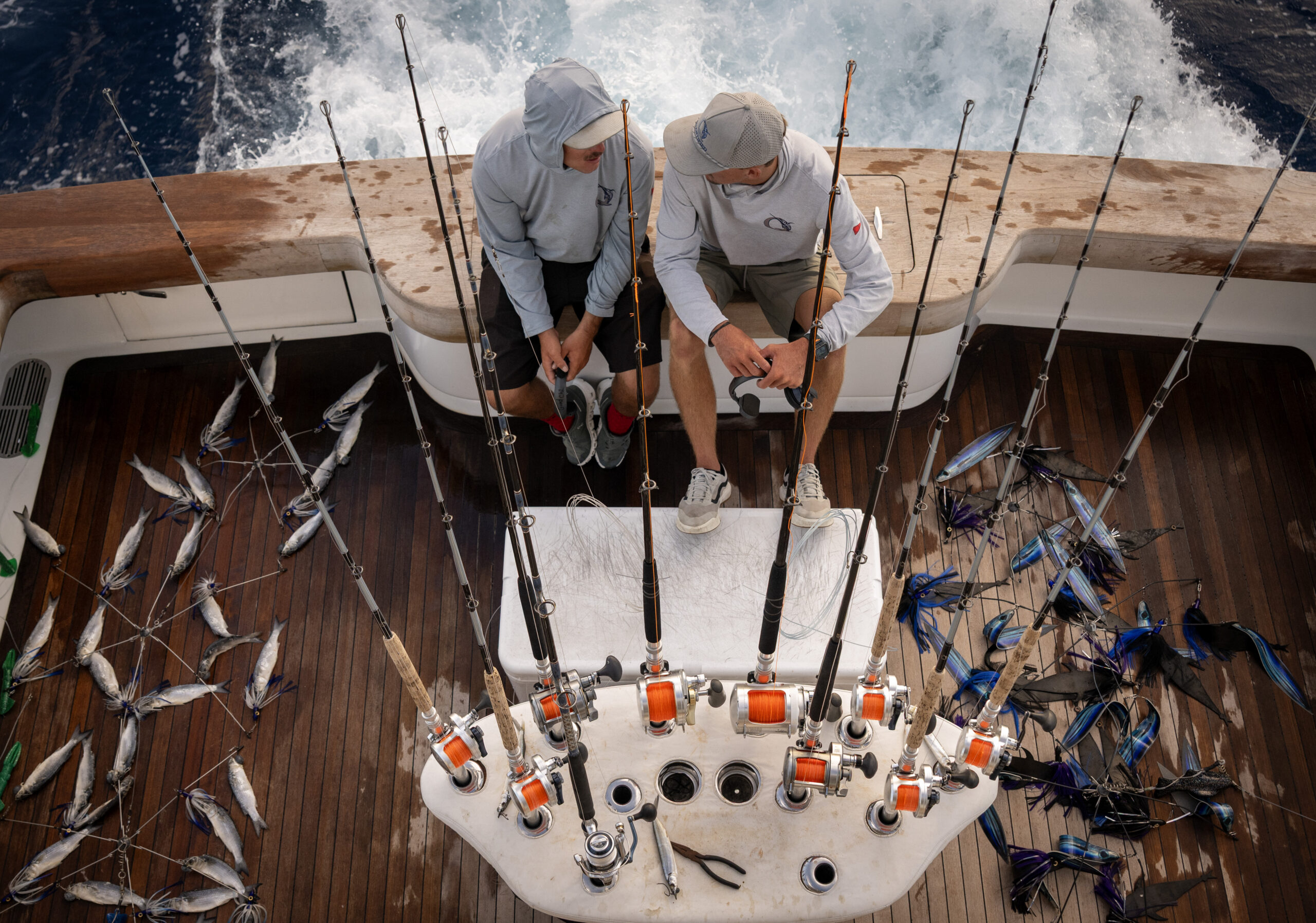
During the day, multiple fish entered the spread on several occasions. Sometimes they were blues. Other times white marlin or sailfish joined the chaos. It was the kind of fishing where communication, anticipation and clean execution mattered as much as the tackle. A missed cue could mean losing a shot, while the right move at the right moment could turn one raised fish into a release—or transform a single encounter into a multiple hookup.
The Gulf has no shortage of offshore structure. Countless boats target rigs, and both the state and private angling organizations have deployed FADs to concentrate pelagic life. These devices create focal points in otherwise open water, attracting bait and the predators that follow it. But the real surprise was not simply that the FADs held fish. It was how few boats were there to fish them.
After working deep water, we moved back toward the edge and picked up two more blue marlin around one of the FADs. Across two days, we saw only two other boats.
Think about that. In many of the world’s famous billfish destinations, a productive piece of structure can draw an entire fleet. Off South Padre, we experienced a legitimate multi-species billfish bite with almost no one around us. That lack of pressure may be the most remarkable part of the entire fishery—and one of the reasons it remains such a well-kept secret.
When the Gulf Goes Flat
By the second day, the conditions had completely changed. The light wind and chop were gone, and the Gulf had slicked out. There was hardly a ripple on the surface.
The fish responded accordingly. We didn’t see quite as many, and those we raised were more reluctant to eat. Anyone who spends time offshore understands how a change in wind, light, current or surface texture can alter a bite. The fish may still be there, but getting them to commit becomes a different game.
Even on the slower day, we raised roughly six blue marlin and a couple of sailfish. In almost any other U.S. fishery, that would be considered an exceptional showing. After the fireworks of day one, it merely felt slower.
That contrast put the potential of South Padre into perspective. This was not one random blue appearing in a spread after hours of trolling. We were seeing enough billfish to make adjustments, study their behavior and continue expecting another encounter. The fishery had depth. It wasn’t dependent on one lucky bite.
On the run home, the crew made a quick stop for red snapper. It took about 15 minutes to catch the boat limit. The baits hit bottom and were immediately eaten.
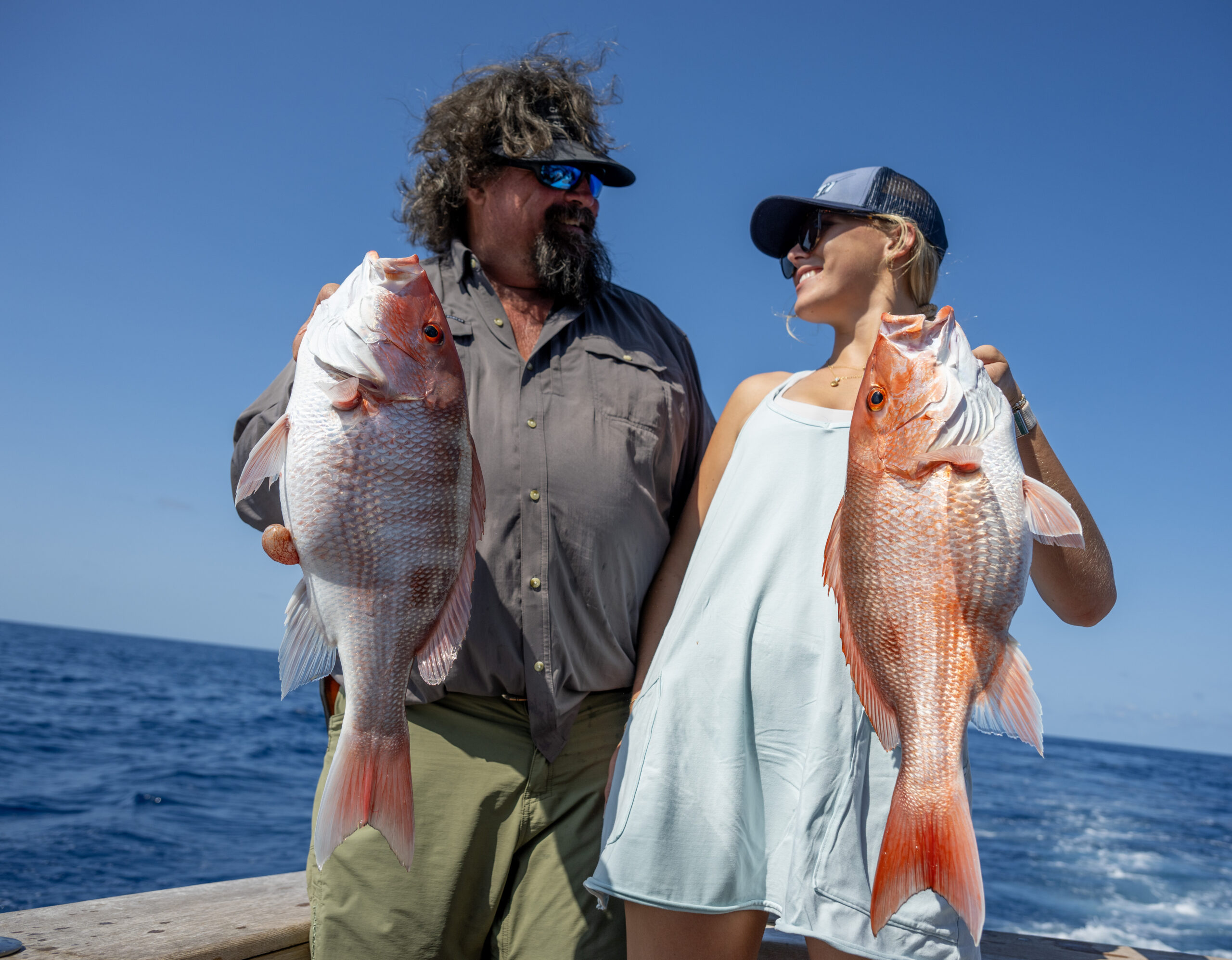
“I wanted to fish a little longer,” Carter joked, “but we were done.”
It was an almost absurd ending: after two days spent raising blue marlin, white marlin and sailfish, the red snapper fishing was so fast that it barely qualified as a stop.
Poetry in Motion
Great fishing alone does not make a trip like this. The people and execution matter.
“I’ll go fishing with anybody,” Carter said, “but when you have the opportunity to fish with a professional crew like this and a captain like Justin, it’s poetry in motion.”
That description fits. A dialed-in billfish crew operates through a mixture of preparation, repetition and instinct. Everyone knows where to stand, which rod to grab and what must happen next. When multiple fish enter the spread, the cockpit can become chaos for an inexperienced team. With the right crew, the same scene looks controlled and almost effortless.
Johnny Mack and Stacey Powers brought another level of experience to the trip. They have chased blue marlin around the world for more than 30 years. Johnny will be 79 this year, and he is still going hard. He personally landed the majority of the fish—a performance that should inspire anyone who believes serious offshore fishing has an expiration date.
South Padre may not remain a secret forever. Fishing this good rarely does. The combination of clean blue water, productive edges, offshore structure, FADs and remarkably light pressure gives the region all the ingredients of a premier billfish destination. Add the opportunity for wahoo, tuna, dolphin and nearly instant red snapper action, and the fishery becomes even harder to ignore.
There are places with bigger fleets, more famous marinas and longer histories in the billfish world. But reputation does not catch fish. On our first day off South Padre, we released six blue marlin, added two whites and a sailfish, and caught a 75-pound wahoo, tuna and dolphin. On day two, even after the Gulf went glass-flat and the bite became tougher, we still raised approximately six blues and multiple sails.
And we had almost all of it to ourselves.
Carter arrived in Texas thinking about barbecue, deer, bass, trout and red snapper. He left thinking about blue marlin. So did I.
What’s that saying?
God bless Texas. I’m damn glad I got the chance to see its best-kept billfishing secret for myself.
Fish South Padre’s Best-Kept Secret
Ready to experience South Padre Island’s incredible blue-marlin fishery for yourself? Step aboard Quantified with Capt. Justin Drummond and a professional crew prepared to chase billfish, tuna, wahoo and dolphin in the deep waters of the Gulf.
Learn more about Quantified and book your offshore adventure.