


Florida’s Spring & Summer Tarpon Migration
Dawn breaks over the still waters of a Florida Keys flat. The sky is painted in pastel purple and orange as you stand poised on the bow of a skiff, heart pounding in the predawn hush. Suddenly, the mirror-calm surface shatters – a massive tarpon lunges, its tail smashing the silence and sending baitfish fleeing. You cast into the commotion and strip the line. In a flash, it comes tight and all serenity is lost. A silver giant erupts from the water, gills rattling and body twisting in mid-air. This is the moment every tarpon angler lives for: the first breathtaking leap of the Silver King, a fish of legendary power and grace.
The Call of the Migration
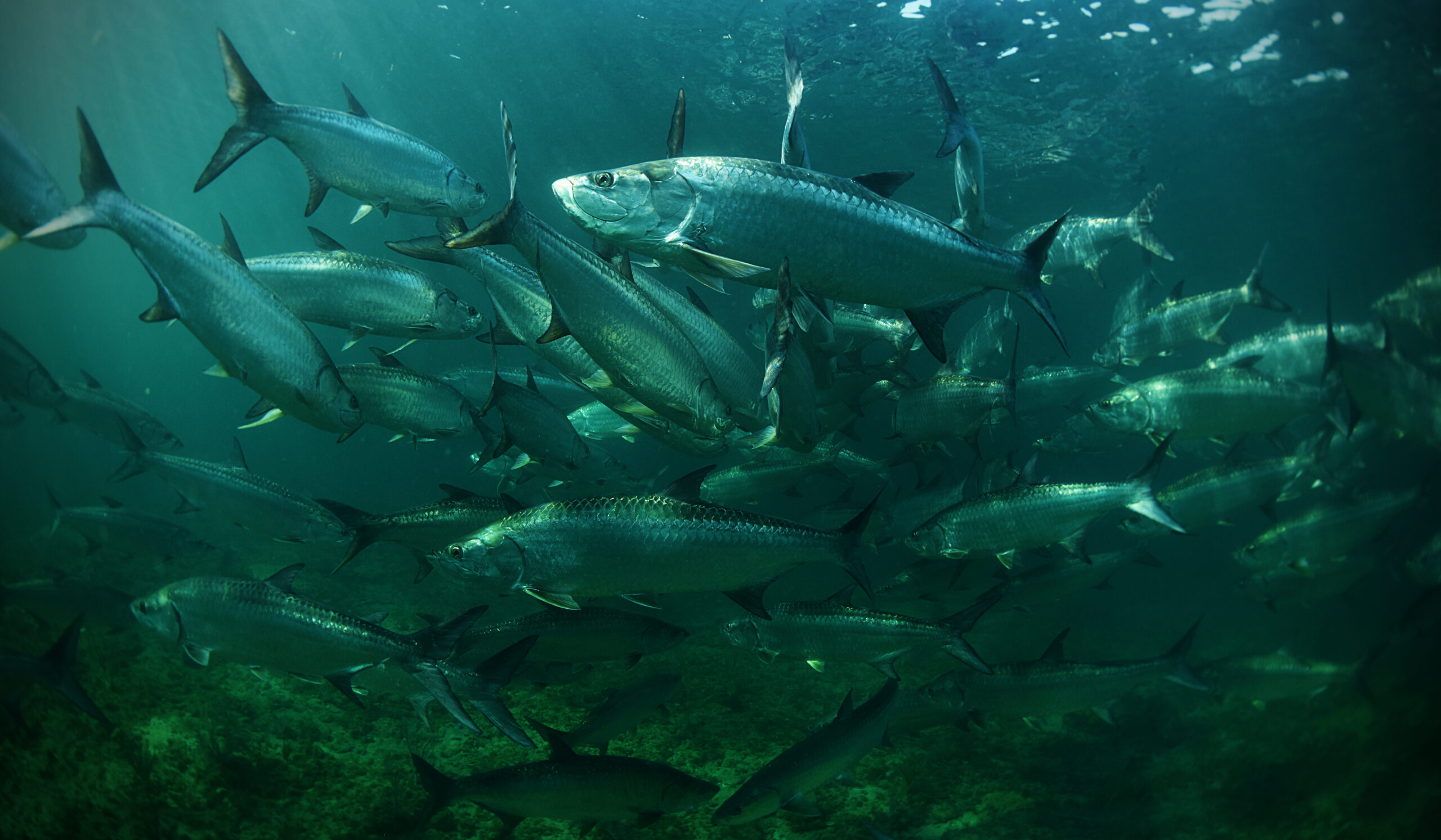
Each spring as waters warm, an ancient journey unfolds along Florida’s coasts. Tarpon – large, powerful, and cloaked in silver scales – heed an internal call that has echoed for eons. These fish have prowled the oceans for 50 million years, making our species look like newcomers in their world. Guided by ancestral memory and seasonal cues, they gather by the thousands to begin a grand migration. Rising from winter refuges in warmer southern waters, tarpon push toward Florida’s bays, passes, and flats in springtime. Why do tarpon migrate? In part, to reproduce. Tarpon instinctively gather offshore under spring’s full and new moons to broadcast millions of eggs and sperm into the open sea. Incredibly, schools of tarpon will swim over a hundred miles out into the Gulf of Mexico during these spawning forays, then return to the coast days later.
Spawning isn’t the only reason tarpon are on the move. These roaming predators also follow the food. As baitfish schools and crab swarms peak in Florida’s warm months, tarpon migrate to take advantage of the feast. An adult tarpon is an opportunistic feeder, inhaling mullet, sardines, shrimp – anything abundant and vulnerable. Biologists believe the tarpon’s northward push up the state each summer is largely driven by the search for prey. In other words, they go where the buffet is best, whether that’s the mullet-rich lagoons of the Atlantic coast or the crab-laden passes of the Gulf. Of course, not all tarpon travel long distances; some remain resident in the Everglades or coastal bays year-round. But the big migratory schools are compelled by both the need to spawn and the promise of food, keeping them on the move with the changing season.
The Tarpon Highway of the Keys
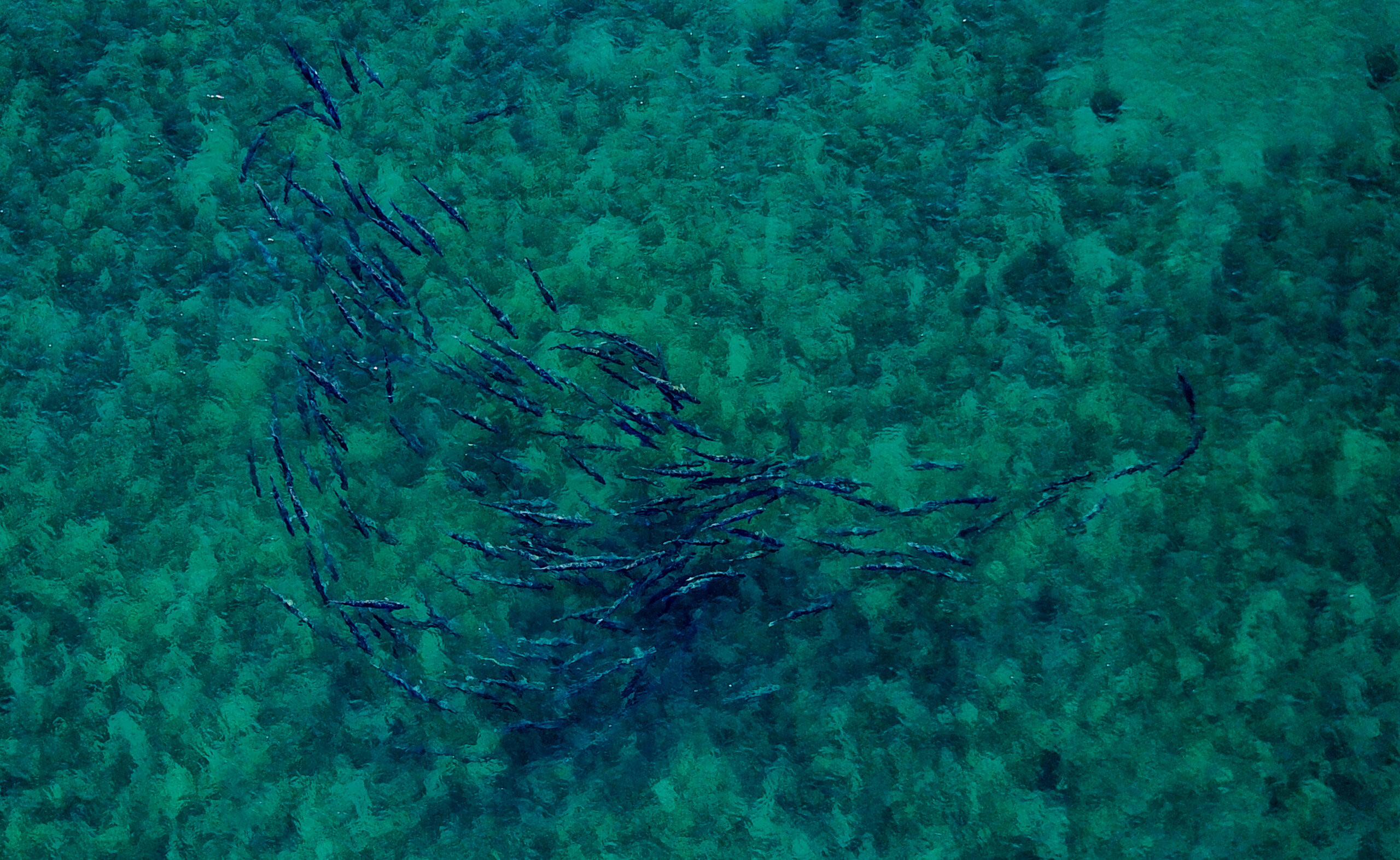
Florida’s geography serves as a grand stage for this migration. To the south, the Florida Keys form a chain of emerald islands and turquoise shallows – a natural highway for tarpon on the move. Every spring, tarpon arrive here in force, surging in from the deep ocean. Local guides call it the “push” – when schools of tarpon pour across the flats and through the channels like an unstoppable silver tide. They come in pods and long “strings,” each fish nearly nose-to-tail as they cruise with purpose over the flats. By May, the peak of the run, the oceanside flats of the Keys are alive with tarpon. At dawn or dusk you might see dozens of fish rolling at the surface to gulp air – a quiet splash and flash of silver as these ancient fish take a breath from above the water.
As tarpon parade through the Keys, they funnel into legendary hot spots. Bridges like Seven Mile Bridge become staging grounds, with tarpon stacking up in the currents. In deep channels and bays, schools pause to rest or wait on the tide, sometimes even circling in strange “daisy chains” as if dancing before a spawn. For anglers, it’s no secret where the fish are – on a calm morning, you might spot the flotilla of skiffs gathered at a channel edge, all drawn by the presence of tarpon. Indeed, legions of anglers from all over the world flock to the Keys alongside the fish. It’s a dual pilgrimage: tarpon coming in from the sea, and anglers driving down the Keys’ lone highway with boats in tow. For veterans, it’s a cherished tradition; for first-timers, it’s a revelation to witness just how many big tarpon these waters hold.
Encounters on the Flats
For anglers, the magic of the tarpon migration peaks when these fish move onto the shallow flats and bays, bringing the hunt into intimate water. In a few feet of crystal-clear water, a tarpon looks like a prehistoric submarine cruising just below the surface. The moment you spot that telltale shadow or the glint of a scale, your pulse spikes. Stalking tarpon on the flats is a game of stealth and anticipation. You might stand on a poling platform or the bow, eyes scanning the water for any sign of movement. Suddenly, you notice a faint ripple – a V-shaped wake slowly tracking across the flat. A pod of tarpon is coming your way. You make your cast and for a moment nothing happens. Then one breaks formation and slams your bait. In that split-second, the quiet flat explodes.
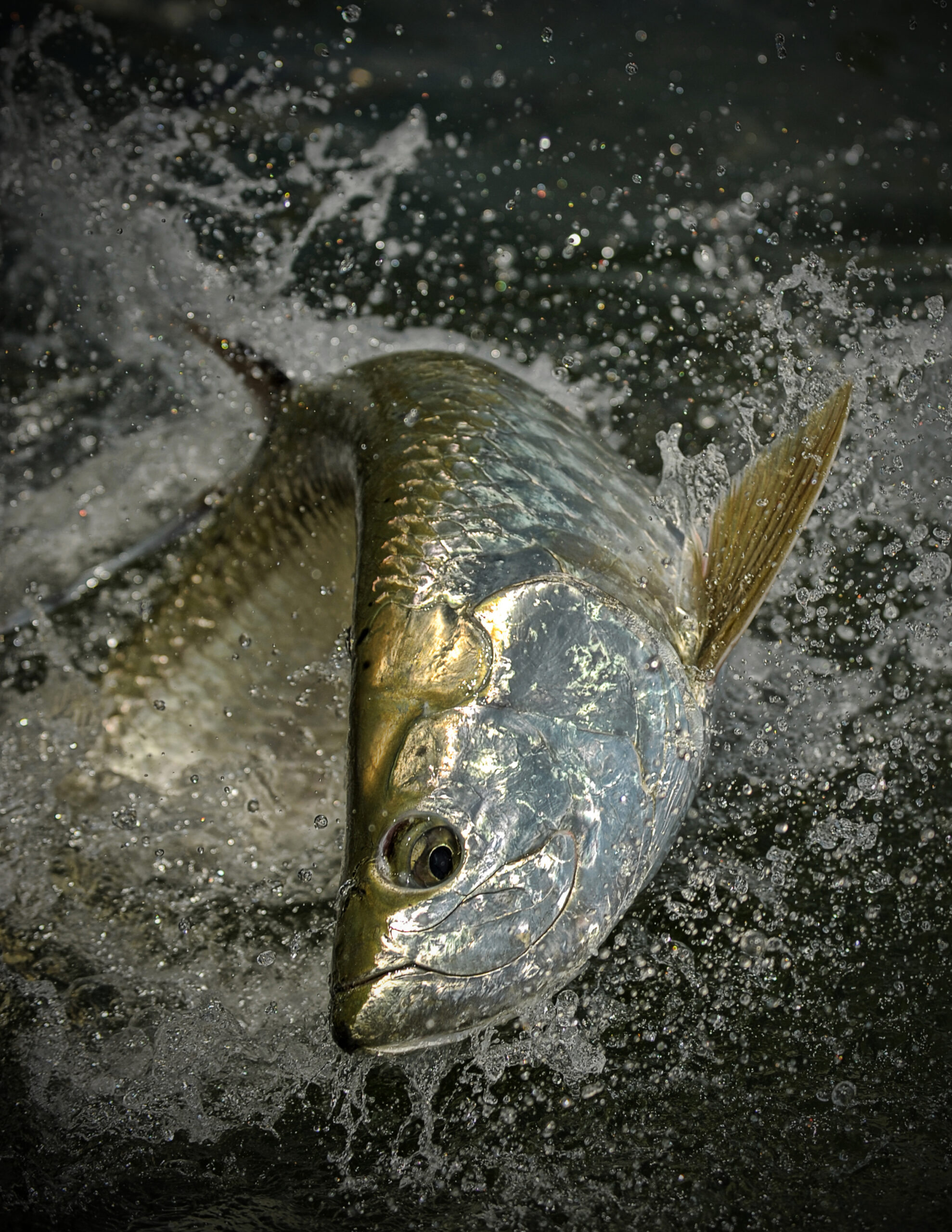
What follows is a blur of adrenaline. The hooked tarpon bursts into motion, torpedoing across the flat in a blur of foam. Your reel sings as line disappears in a heartbeat. Then the fish rockets out of the water in a magnificent leap, its body twisting and shimmering in the sun. This is when you “bow to the king,” dropping the rod tip as the tarpon crashes back down to slack the line and avoid it snapping. The sound of its re-entry hits the water with a boom. But the Silver King is far from finished. It often leaps again and again, each wild eye and shower of spray etched in your mind.
Fighting a tarpon in shallow water is both exhausting and exhilarating. Tarpon can reach seven feet long and well over 200 pounds, yet they are powerful, explosive, acrobatic fighters with incredible stamina. Few fish of this size can match their combination of strength and aerial displays. Even veteran anglers feel a jolt of awe when a giant tarpon shakes the air with its leaps. Many battles are lost when a hook pulls or a line frays – tarpon have hard, bony mouths and a knack for throwing hooks with violent headshakes. Many anglers have stories of “the one that got away.” But even lost fights only stoke the addiction. Just witnessing a giant tarpon up close, feeling that visceral tug-of-war, is enough to make your hands tremble. When at last the fish throws the hook or you bring it boatside to release, you’re left in stunned reverence. Heart pounding, hands shaking, you realize you’ve just had a rendezvous with one of the ocean’s most electrifying creatures.
An angler battles a tarpon on a calm bay in the Florida Keys, bowing to the Silver King as it makes an acrobatic leap. Moments like this keep anglers coming back every year. It’s a scene of struggle and triumph that etches itself into memory.
The Anglers’ Pilgrimage
The tarpon’s journey each spring triggers an answering journey in the anglers who revere them. As the fish migrate, so do people – converging on Florida’s coasts with rods, reels, and high hopes. From across the country – and even overseas – tarpon fanatics make the pilgrimage to locales like Islamorada, Boca Grande, or Homosassa, all for a chance to cross paths with the Silver King. In the predawn darkness at a Keys boat ramp, you’ll hear a dozen accents and see license plates from across the country. There’s a camaraderie among those who chase tarpon. Strangers trade tips and yesterday’s stories, united by the common thrill they seek. Some are seasoned veterans returning for their annual dose of tarpon therapy; others are first-timers who have dreamed of this moment for years. All share the same giddy anticipation as the boats spread out at sunrise in search of rolling fish.
Throughout spring and summer, many will follow the tarpon’s trail from the Keys up the coast, a personal migration mirroring the fish’s – driven by passion and the promise of unforgettable battles. And when summer wanes and the tarpon begin to slip southward again, the anglers reluctantly pack up their gear and head home. There’s a hint of sadness as the season ends – the flats feel empty without those giant shadows. But there’s also fulfillment and gratitude. Each angler carries home indelible memories: the sight of a tarpon’s tail slipping back into the depths, the feel of a lightning-quick strike, the echo of laughter and triumph in the fight. They know that they have been part of something extraordinary.
In the end, the tarpon’s spring journey through Florida and the Keys is more than a migration – it’s a living saga that intertwines fish and angler alike. Each year, as surely as the warming south winds, that saga continues – a testament to the enduring allure of the Silver King and the spell it casts on all who chase it.