

In January, Duke Energy Florida and CCA Florida announced a renewed partnership to protect the state’s environmental resources. As part of the agreement, Duke Energy Florida is providing support to help CCA Florida expand its conservation efforts across the Sunshine State.
CCA Florida, the state’s leading organization dedicated to marine fisheries conservation, education, and advocacy, first partnered with Duke Energy Florida in 2017, sharing a vision of responsible environmental stewardship. This new agreement strengthens their ongoing commitment to fish restocking, habitat restoration, and the overall protection of Florida’s natural resources.
“CCA Florida is dedicated to improving and sustaining Florida’s fisheries, coastal habitats, and waterways,” said CCA Florida Executive Director Brian Gorski. “This renewed partnership with Duke Energy Florida underscores our shared dedication to protecting and enhancing Florida’s marine environment for current and future generations.”
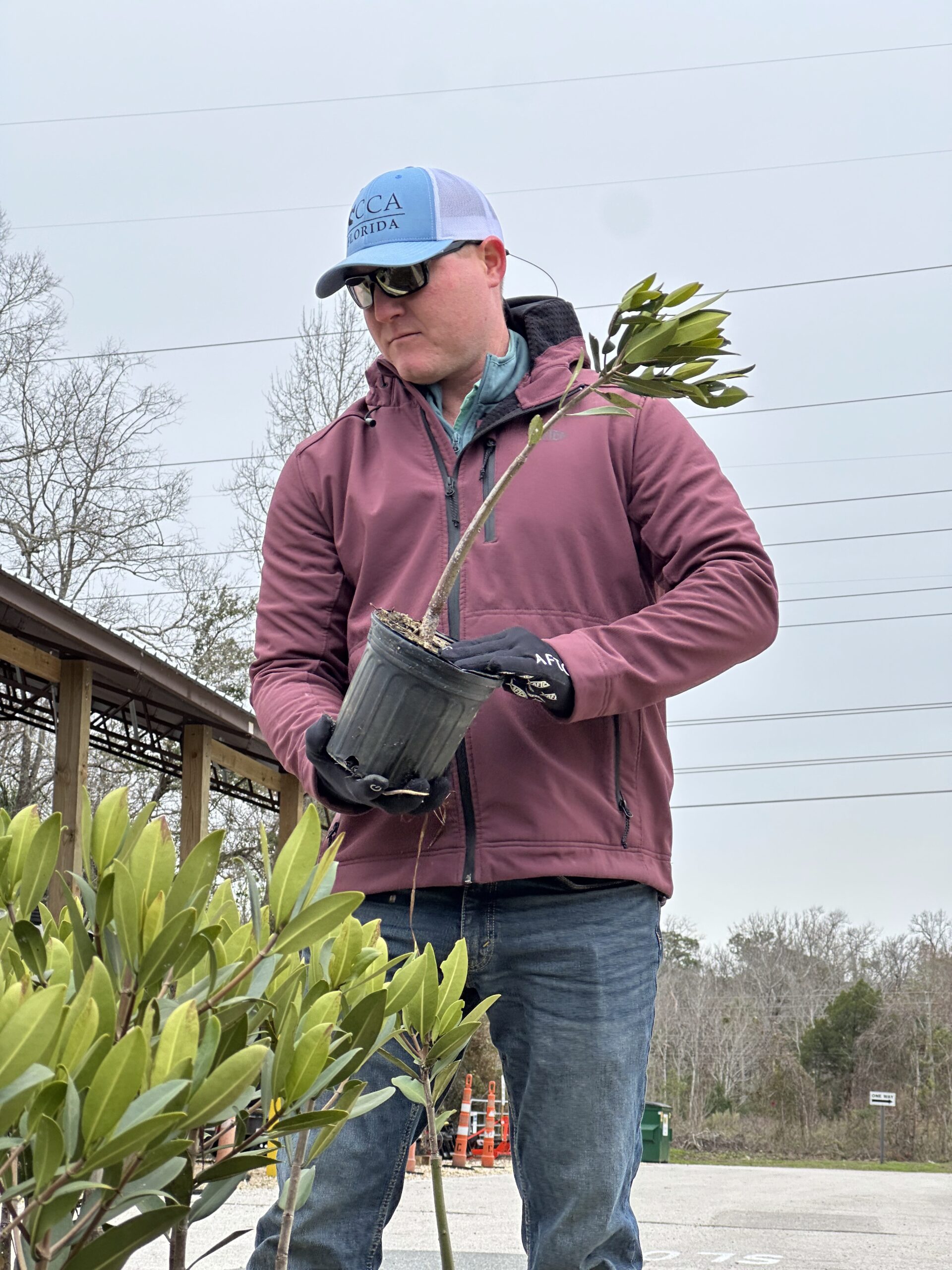
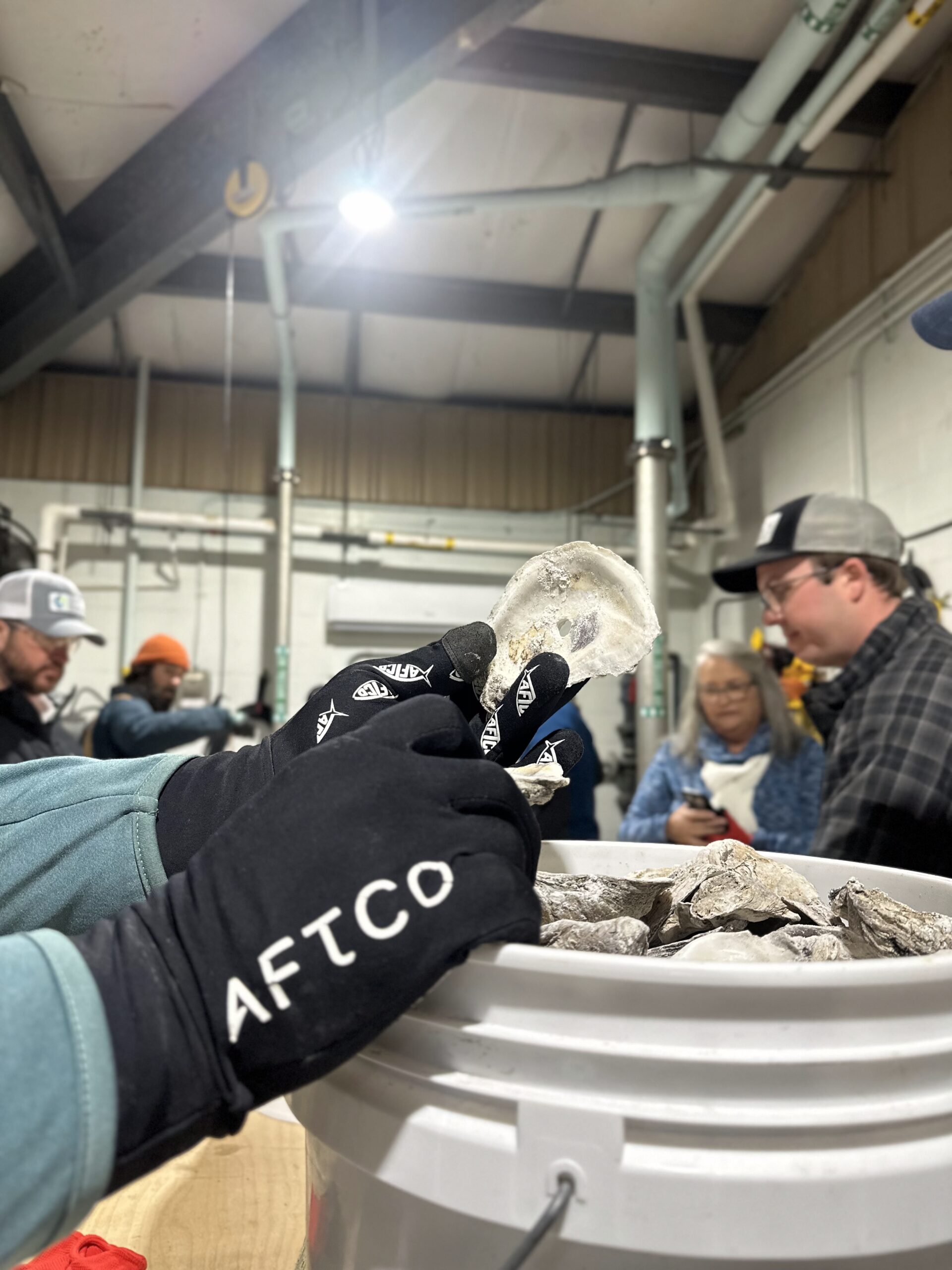
Duke Energy Florida’s Crystal River Mariculture Center has been a cornerstone of marine conservation for more than 30 years, earning recognition as one of the state’s most successful hatcheries. In collaboration with CCA Florida, the center has released over 5.3 million fish and crustaceans along Florida’s coast. Additionally, its habitat restoration efforts have planted 40 million clams in the Indian River Lagoon and more than 100,000 eelgrass, mangrove, and marsh grass plants.
“Duke Energy Florida is committed to environmental stewardship and the vital benefits it brings to the communities we serve,” said Melissa Seixas, Duke Energy Florida state president. “This agreement with CCA Florida reinforces our dedication to preserving Florida’s habitats and restoring its natural resources.”
Together, Duke Energy Florida and CCA Florida continue to play a crucial role in ensuring the health and sustainability of the state’s marine ecosystems for generations to come.
In January, Duke Energy Florida and CCA Florida announced a renewed partnership to protect the state’s environmental resources. As part of the agreement, Duke Energy Florida is providing support to help CCA Florida expand its conservation efforts across the Sunshine State.
CCA Florida, the state’s leading organization dedicated to marine fisheries conservation, education, and advocacy, first partnered with Duke Energy Florida in 2017, sharing a vision of responsible environmental stewardship. This new agreement strengthens their ongoing commitment to fish restocking, habitat restoration, and the overall protection of Florida’s natural resources.
“CCA Florida is dedicated to improving and sustaining Florida’s fisheries, coastal habitats, and waterways,” said CCA Florida Executive Director Brian Gorski. “This renewed partnership with Duke Energy Florida underscores our shared dedication to protecting and enhancing Florida’s marine environment for current and future generations.”
Duke Energy Florida’s Crystal River Mariculture Center has been a cornerstone of marine conservation for more than 30 years, earning recognition as one of the state’s most successful hatcheries. In collaboration with CCA Florida, the center has released over 5.3 million fish and crustaceans along Florida’s coast. Additionally, its habitat restoration efforts have planted 40 million clams in the Indian River Lagoon and more than 100,000 eelgrass, mangrove, and marsh grass plants.
“Duke Energy Florida is committed to environmental stewardship and the vital benefits it brings to the communities we serve,” said Melissa Seixas, Duke Energy Florida state president. “This agreement with CCA Florida reinforces our dedication to preserving Florida’s habitats and restoring its natural resources.”
Together, Duke Energy Florida and CCA Florida continue to play a crucial role in ensuring the health and sustainability of the state’s marine ecosystems for generations to come.