

The First One That Actually Matters
There’s a difference between talking about conservation and actually getting your hands wet. Most of what floats around the fishing industry these days is noise—press releases wrapped in feel-good hashtags, brands patting themselves on the back while the water quietly gets worse beneath them. But every once in a while, something cuts through that static. Something real. Something with grit under its fingernails and salt in its veins.
This is one of those moments.
TideBandits is proud—hell, fired up—to sponsor our first conservation event, and it’s not just another calendar filler. This one is anchored in real work, real people, and real impact. It’s the Project SeaSafe 2026 Clean Water Collective, and it’s being driven by someone who doesn’t fit the mold—and doesn’t care to.
Her name is Cory Redwine, and she didn’t arrive through the usual channels. No polished entry, no corporate backing from day one. Just a front-row seat to the slow unraveling of Florida’s waterways and a refusal to sit back and watch it happen. She’s the kind of person who sees a problem and doesn’t ask permission to fix it—she just starts moving.
It began with something simple. Picking up trash. The kind of work most people walk past without a second thought. But even then, there was intention behind it. Cory took that discarded mess—plastic, broken junk, the leftovers of carelessness—and turned it into art. Raw, chaotic pieces built from the same debris choking local waters. Those pieces found their way into restaurants and public spaces, forcing people to look at what they’d rather ignore. It sparked conversations, sure, but more importantly, it sparked awareness. And for Cory, awareness was just the starting line.
Because awareness without action is just noise.
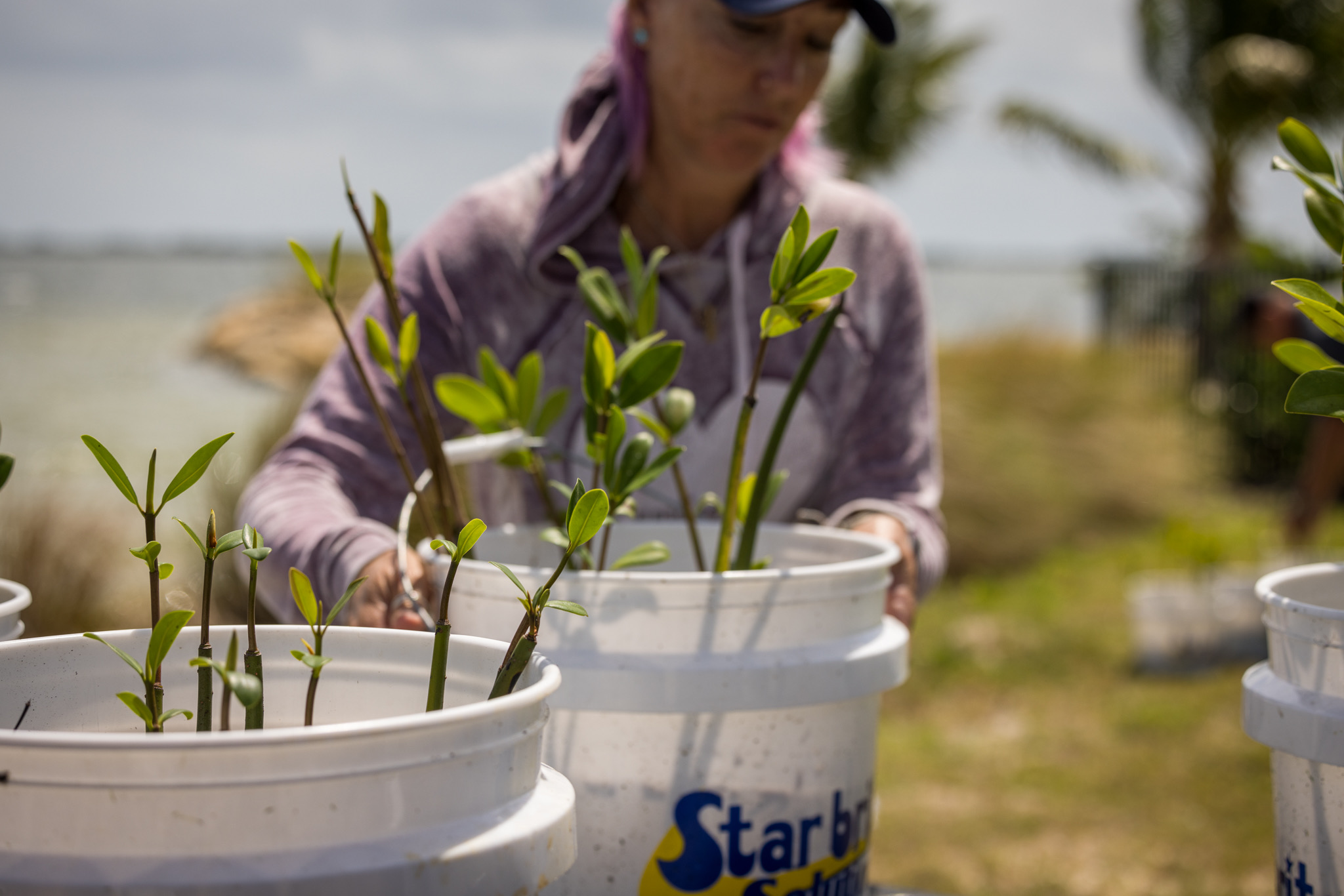
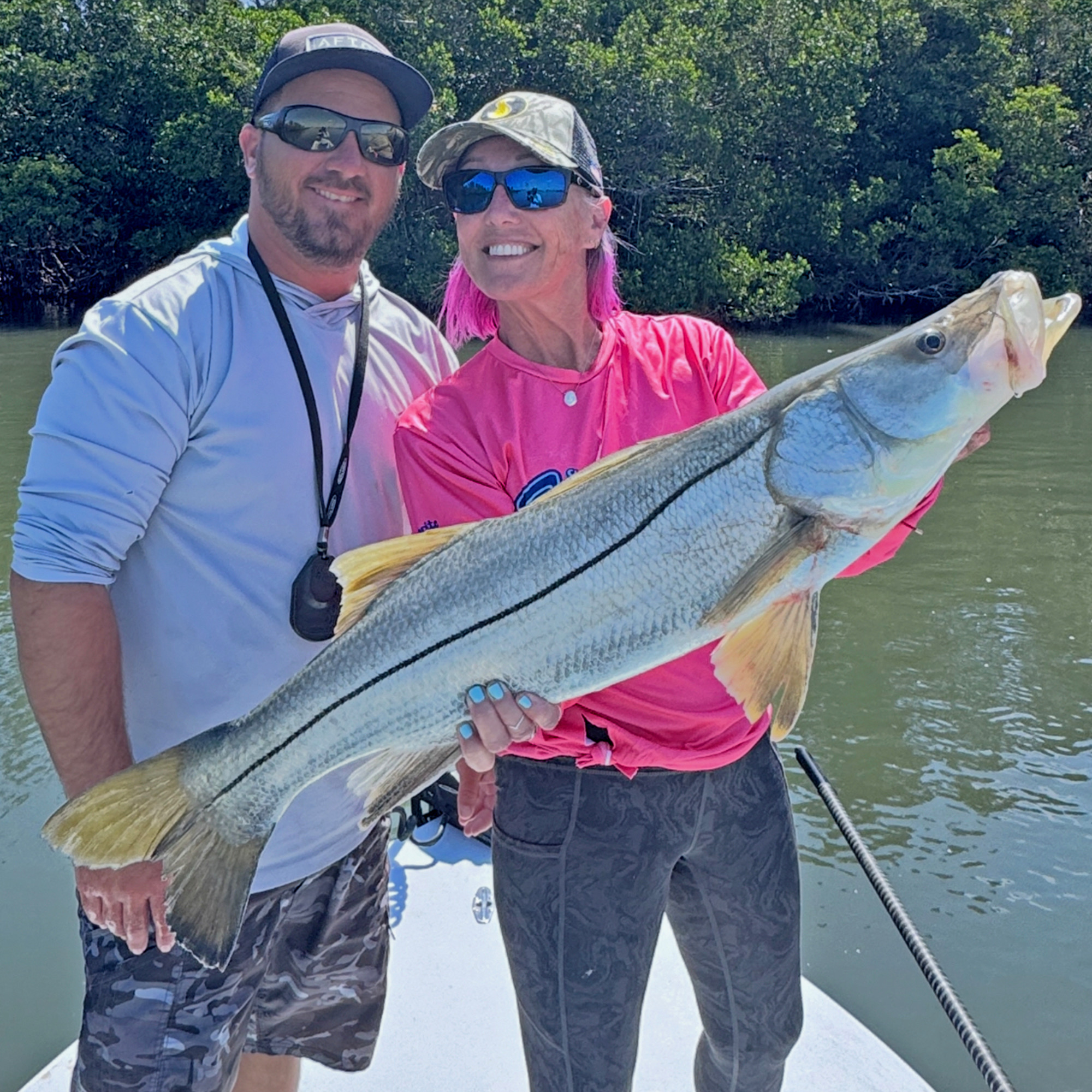
What started as a hobby—growing mangroves—slowly evolved into something much bigger. Through years of trial and error, Cory figured out how to raise mangrove seedlings that could actually survive once reintroduced into the wild. That knowledge became the foundation for restoration work that would eventually scale beyond anything she likely imagined at the start. Through partnerships, persistence, and a refusal to quit, her efforts have helped seed more than 81 million clams and plant tens of thousands of mangroves throughout Brevard County.
Let that sink in for a second. That’s not a concept. That’s not a proposal sitting in someone’s inbox. That’s real, measurable impact happening in the water.
As her work grew, so did the need for support. What began with something as simple as needing buckets for seedlings turned into a partnership with Star brite, which ultimately helped expand her efforts into what is now known as Project SeaSafe. Through this platform, Cory stepped into a larger role, helping guide restoration efforts across the Indian River Lagoon and surrounding waterways. What was once a solo mission transformed into a collective force—bringing together volunteers, scientists, anglers, and everyday people who just want to see their waters come back to life.
And that’s where this event comes in.
isn’t built for spectators. It’s not a place to stand around and talk about what should be done. It’s a place to actually do it. Set along one of Florida’s most important and most stressed ecosystems, this event pulls people into the work itself—planting mangroves along eroding shorelines, seeding clams into waters that need filtration, and cleaning areas that have been neglected for too long. It’s hands-on, it’s messy, and it’s exactly what needs to happen.
Guiding that work are people who understand both the science and the stakes. Leaders like Dr. Todd Osborne from the University of Florida Whitney Laboratory bring a research-driven perspective, while anglers like Blair Wiggins connect the dots between ecosystem health and the future of the sport itself. It’s a rare blend of knowledge and experience, all focused on one goal—making the water better than it was yesterday.
At the center of much of this work are mangroves, which don’t get nearly the respect they deserve. They’re not flashy. They don’t make headlines. But they are essential. They stabilize shorelines, provide habitat for juvenile fish, protect against storm surge, and improve water clarity. When mangroves disappear, everything else starts to unravel. Cory’s work in restoring these living shorelines is about rebuilding that foundation—giving coastal ecosystems a fighting chance to recover and thrive again.
Then there are the clams. Quiet, overlooked, and incredibly powerful. These natural filtration systems process massive amounts of water every day, removing excess nutrients and helping restore balance to damaged ecosystems. Through coordinated efforts with scientists and conservation groups, millions of clams have been reintroduced into the lagoon. The result isn’t immediate, but it’s undeniable—clearer water, healthier seagrass, and a slow but steady return of life to areas that were slipping in the wrong direction.
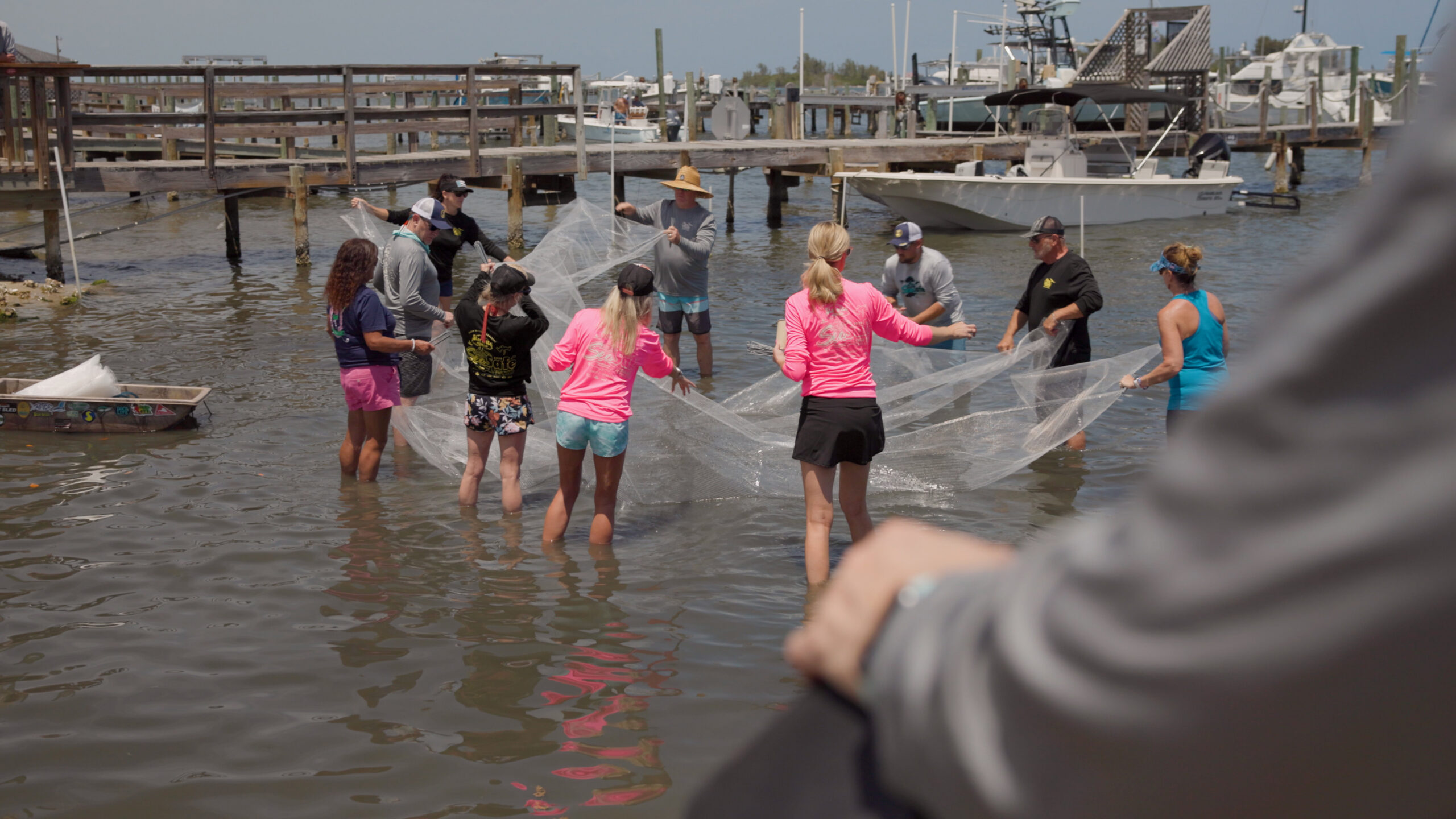
What makes all of this different—what makes it matter—is the way it’s built. This isn’t a top-down initiative driven by a single entity. It’s community-driven. Volunteers, students, families, anglers, and industry partners all working side by side. It’s accessible. It’s inclusive. And it proves that meaningful change doesn’t require permission—it requires participation.
Cory has taken that philosophy even further through her nonprofit, Sea Redwine Preservation / Team Do Gooder, which focuses on acquiring and protecting critical habitats before they’re lost to development. It’s a long-term play in a world that often prioritizes short-term gains. But that’s the mindset required if we actually want these ecosystems to exist for the next generation.
And that’s exactly why TideBandits is stepping in to support this.
Because at the end of the day, none of what we love—none of the early mornings, long runs, missed shots, landed fish, or stories worth telling—exists without healthy water. You can’t separate fishing from conservation. They are the same thing. One doesn’t survive without the other.
This event represents what TideBandits is all about. Not the highlight reel. Not the algorithm. The real stuff. The work that happens before and after the camera is rolling. The kind of effort that doesn’t always get seen but always matters.
So this is the invitation.
You don’t need credentials. You don’t need a following. You don’t need anything other than a willingness to show up and do something that actually makes a difference. Get in the water. Plant something. Clean something. Be part of something that moves the needle instead of just talking about it.
Because conservation isn’t a trend.
It’s a responsibility.
And right now, there’s a crew in Florida doing the work.
We’re proud to stand with them.