
Dolphin Days
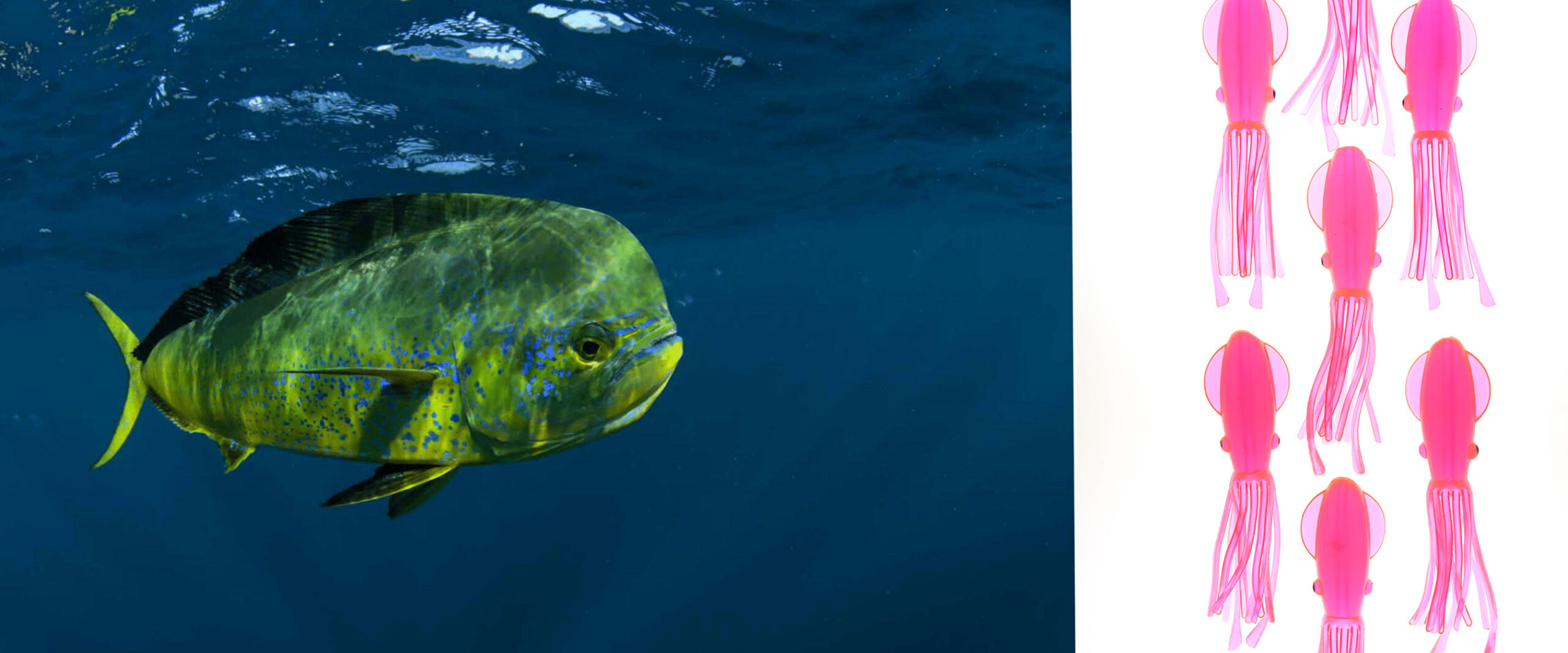
High-flying, neon-flashing, and downright delicious—mahi-mahi (a.k.a. dolphin fish) are one of the ocean’s most electrifying prizes. These acrobatic predators have lured offshore anglers for decades, especially to the Gulf Stream waters off Florida’s Atlantic coast. But tracking down these nomadic fish in the ever-moving currents of the Gulf Stream can be like searching for gold in a blue desert—risky, fuel-guzzling, and totally worth it.
In the summer and fall of 2015, South Florida’s offshore fleet hit the jackpot.
“Best bite I’ve seen in a long time,” , where weedlines and current edges came alive with color, chaos, and opportunity.
Anglers ditched the heavy trolling gear for spinning rods, battling these drag-screaming torpedoes on light tackle with live pilchards, finger mullet, and Spanish sardines. The mahi bite was so steady, even casual offshore runs turned into banner days.
The Game Plan: Troll, Stop, and Fire Away
The classic mahi playbook starts with trolling. Anglers pull rigged ballyhoo, skirted belly strips, squid, or flashy lures along promising weedlines, temperature breaks, or rips. Once a hookup happens, the boat stops, the sardine chunks start flying, and the show begins.
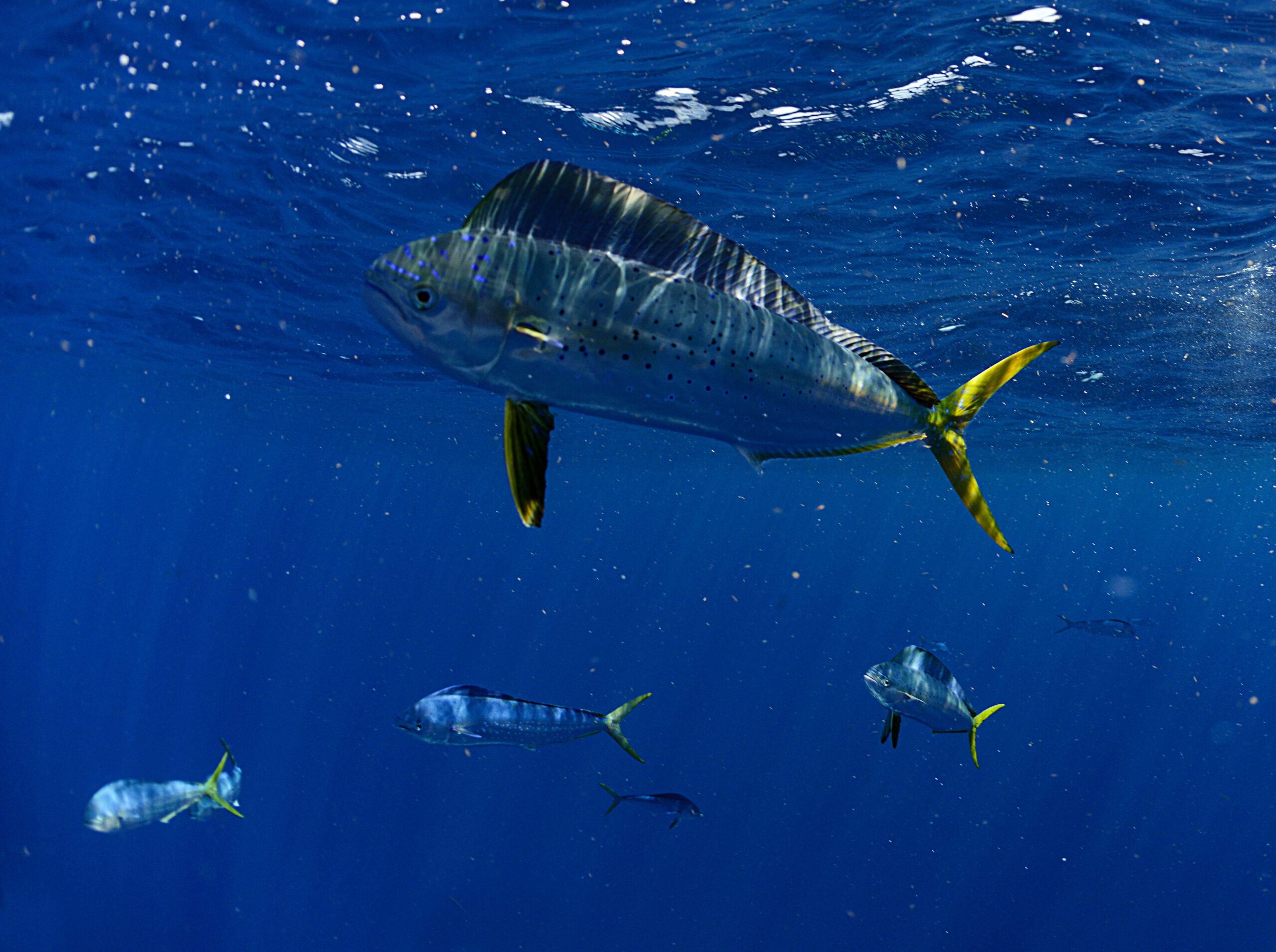
Hungry mahi often bring friends, and it’s game on. Pitch small live baits on 1/0 to 2/0 hooks and brace yourself. The ocean lights up in green and gold fury.
Some captains skip the blind trolling entirely, preferring a run-and-gun strategy—eyeballing weed patches, flotsam, or subtle signs like birds or bait balls. A chunk of bonito or a handful of live chum is sometimes all it takes to draw in curious dolphin from the blue void.
“There’s nothing like seeing a lit-up mahi cruise up to the boat,” said underwater photographer Jason Arnold out of Fort Lauderdale. “They turn this glowing green and yellow—it’s just gorgeous.”
Smart Tech, Big Fish, and Chunky Chum
Arnold’s crew doesn’t rely solely on long weedlines. They study temp changes on the sounder, scan the surface for rips, and sometimes use Squid Nation dredge teasers to lure dolphin to the transom. When fish appear, they’re ready with chunked squid and dead ballyhoo rigged on 6/0 circle hooks—bridled for action.
To reach deeper mahi, they sometimes rig an 8-ounce bank sinker 20 feet above the bait with a rubber band—far enough to avoid interference but breakaway-capable if needed.
And when it comes to targeting trophy dolphin? Don’t skimp on bait size.
“Some of the biggest mahi I’ve ever seen ate baits they had no business hitting,” Arnold said. “Big blue runners—they’ll crush ’em.”
Seasonal Baits and Kites in the Wind
Mahi behavior shifts with the seasons and bait availability. In spring and early summer, free-swimming sardines or pilchards near weed mats are irresistible. Summer calls for chumming with pilchards. Come winter, sailfish kites dangling goggle-eyes and blue runners often draw surprise dolphin strikes.
When weeds are plentiful, veteran captains like Ryan Danoff of the Tide Bandits team get picky. “If there’s no bait under a sargassum patch, move on,” he advises. And don’t barrel up to the edge—slow troll the outer edge with baits 30 feet out. “Big mahi hang on the outskirts.”
Frigate birds? Follow them. If one appears to tail a fish, get ahead of its path and deploy baits—they’re nature’s fishfinder.
Sargassum Surge: A Blessing and a Curse
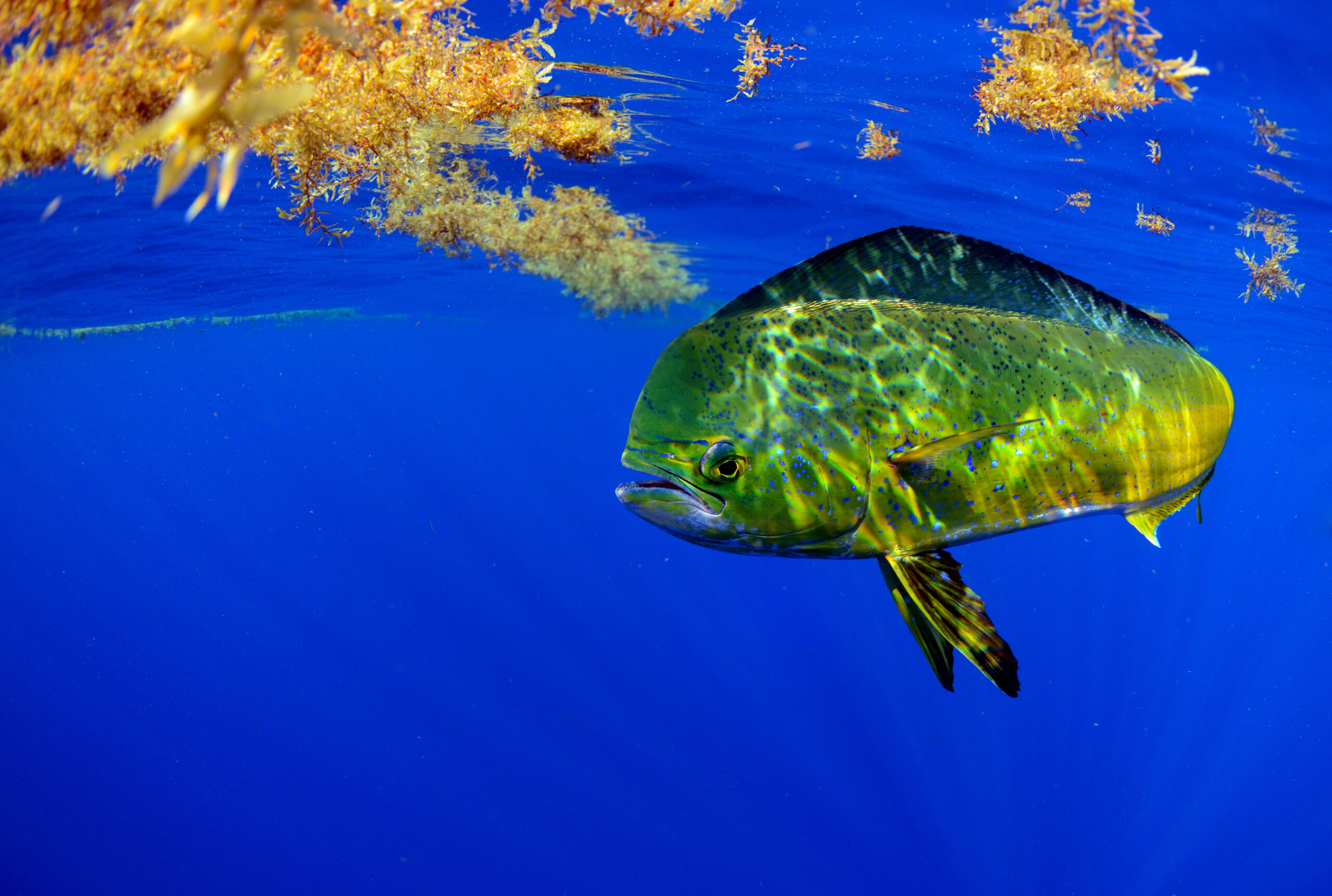
The 2015 dolphin bonanza may have been fueled by a vast bloom of sargassum, the floating algae that serves as a floating buffet for baitfish—and thus, mahi. From the Caribbean to the Gulf, thick weed mats offered prime cover for everything from shrimp to crabs.
While problematic for Caribbean beaches, these golden mats offshore meant dolphin paradise.
Texas A&M scientists, working with NASA, even developed an app—SEAS (Sargassum Early Advisory System)—to help predict when and where the weed would drift ashore.
Don Hammond, director of the Dolphinfish Research Program, saw promising signs as well: “Reports from the Caribbean show excellent catches and less concentrated sargassum, suggesting it’s drifting west. That current flows north through the Yucatan Straits, into the Gulf, then out the Florida Straits.”
Where the weed goes, the dolphin follow.
Let ’Em Go, Watch ’Em Grow
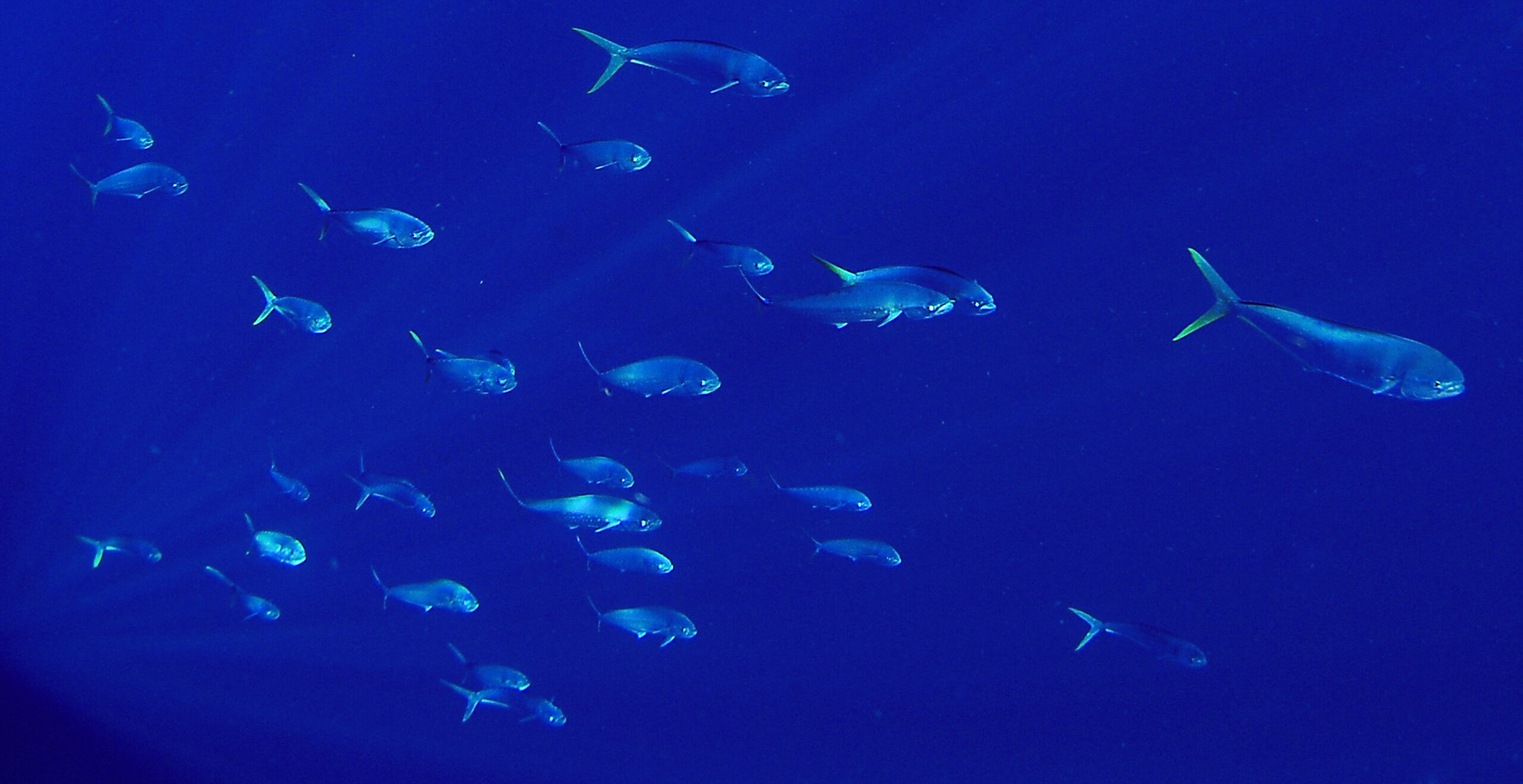
Dolphin grow like weeds themselves—up to five inches a month. While the legal Atlantic size limit is 20 inches (fork length) and the daily bag limit is 10 per angler (max 60 per boat), many captains urge anglers to go beyond the rules.
Once my anglers have dinner covered, we let the rest go. I think the limit should be 25 or even 30 inches.”
It’s a simple equation: More small releases now equals more big fish later.
Ready to Chase the Color?
From epic weedlines to deep blue searches, mahi fishing off Florida’s east coast delivers high-speed thrills, heart-pounding hookups, and the kind of visual spectacle that keeps you coming back for more. Whether you’re chunking squid on a calm drift or racing toward a frigate bird, the mahi await.
Just bring the bait—and maybe a camera.