

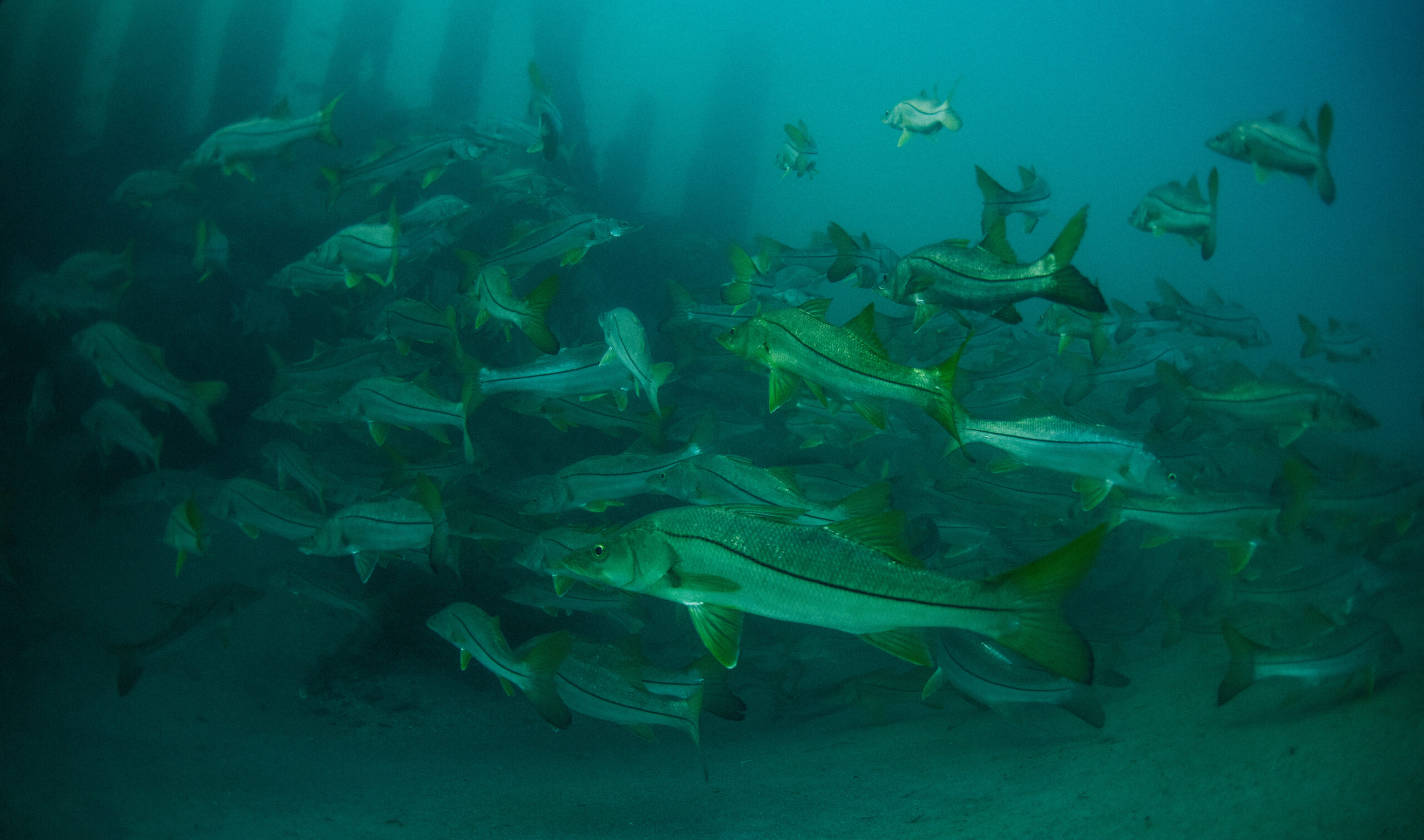
The East Coast of Florida is a prime location for targeting snook during their annual spawning season, which typically occurs from late spring through early fall. As water temperatures rise and tides align, these prized game fish congregate in inlets, passes, and along the beaches to spawn. This presents a fantastic opportunity for anglers to hook into some of the biggest snook of the year. Here’s a guide on the best ways to target them during the spawn.
Understanding the Snook Spawn
Snook spawn in areas where strong tidal flow helps disperse their eggs. Inlets serve as prime spawning grounds due to their connection between estuaries and the open ocean, providing the perfect mix of salinity and water movement. During the spawn, snook can often be found in large schools near jetties, bridges, and deep channels.
Best Times to Fish for Spawning Snook
Timing is crucial when targeting spawning snook. Here are some key factors to consider:
- Tides: The best fishing occurs during strong outgoing or incoming tides when baitfish are naturally carried through the inlets.
- Moon Phases: New and full moons tend to trigger increased snook activity due to stronger tidal movement.
- Time of Day: Dawn, dusk, and nighttime provide the best bite windows as snook are more active under low-light conditions.
Best Techniques for Targeting Spawning Snook
Live Bait Fishing
Live bait is one of the most effective methods for catching snook during the spawn. Some of the best bait options include:
- Croakers – Excellent for targeting big females, as they emit strong vibrations.
- Pilchards – A favorite among snook due to their natural abundance.
- Pinfish – Hardy and effective for enticing aggressive strikes.
- Mullet – Large mullet can produce explosive topwater bites from trophy-sized snook.
Rigging Tip: Use a 40- to 60-pound fluorocarbon leader with a 4/0 to 6/0 circle hook to minimize gut-hooking and promote successful catch-and-release.
Artificial Lures
Artificial lures can also be highly effective, especially when snook are actively feeding. Some top choices include:
- Swimbaits: Soft plastic paddle tails on a jig head mimic injured baitfish and work well in deep channels.
- Topwater Lures: Early morning and late evening are prime times for explosive topwater action.
- Jigs: Heavy bucktail jigs or flair hawks bounced along the bottom are deadly in strong currents.
- Suspending Twitchbaits: These lures imitate wounded baitfish and are excellent for targeting snook along structure.
Fly Fishing for Snook
For anglers who prefer fly fishing, large baitfish patterns like EP flies, deceivers, and Clouser minnows work well in clear water conditions. A 9-weight rod paired with an intermediate or sinking line is ideal for presenting flies in deeper water near the inlets.
Best Locations Along Florida’s East Coast
While snook can be found in numerous inlets along the coast, some of the most productive locations include:
- Sebastian Inlet – Known for producing massive snook during the spawn.
- Jupiter Inlet – Excellent for both live bait and artificial lure fishing.
- Fort Pierce Inlet – A hotspot for big snook and strong tidal flows.
- St. Lucie Inlet – Productive year-round but particularly good during spawning season.
- Haulover Inlet – A great location for targeting snook at night under bridge lights.
Catch-and-Release
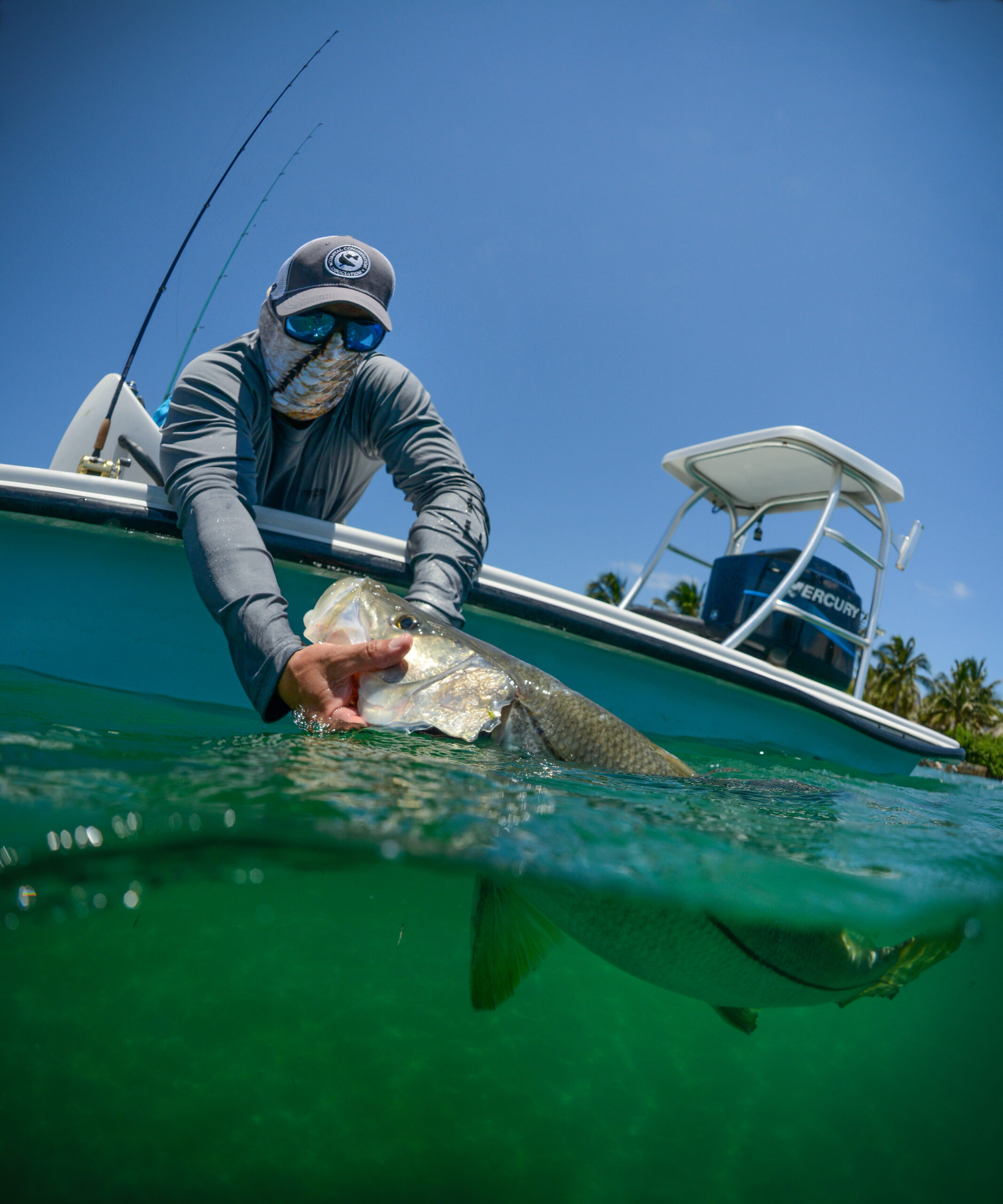
Since snook are vulnerable during the spawn, responsible catch-and-release practices are crucial and the law. Here are some important tips:
- Minimize Handling: Use a dehooking tool to reduce stress and avoid excessive handling.
- Support the Fish: Always hold snook horizontally when taking photos to protect their internal organs.
- Limit Air Exposure: Keep snook in the water as much as possible before releasing.
- Use Barbless Hooks: This makes for an easier and less harmful release.
Final Thoughts
Fishing for snook during the spawn in Florida’s inlets is an exhilarating experience that offers the chance to catch some of the biggest fish of the year. By understanding their spawning behavior, choosing the right techniques, and practicing ethical fishing methods, anglers can enjoy the thrill of targeting these incredible fish while ensuring their sustainability for future generations. Whether using live bait, artificial lures, or a fly rod, the key to success is patience, persistence, and respect for the species.